

Family caregiver burnout is a state of physical, emotional, and mental exhaustion caused by prolonged caregiving responsibilities without adequate rest, support, or financial planning. It develops gradually and often turns devotion into fatigue, frustration, resentment, and helplessness.
A caregiver is an individual who provides ongoing assistance to someone unable to fully care for themselves due to illness, disability, ageing, or mental health conditions. In family caregiving situations, the caregiver is usually a spouse, adult child, or close relative.
Common signs of caregiver burnout include:
- Chronic exhaustion
- Sleep disruption
- Irritability or mood swings
- Anxiety or depression
- Social withdrawal
- Declining physical health
Family caregivers often feel guilty about taking breaks, which delays intervention and accelerates burnout.
Key takeaways
- Family caregiver burnout is physical, emotional, and mental exhaustion caused by prolonged caregiving without sufficient support.
- Early prevention protects both caregiver health and care quality.
- Professional training, delegation, and boundary-setting reduce long-term stress.
- Financial planning and insurance coverage strengthen caregiving sustainability.
- Professional care services and government schemes in Singapore provide structured support.
Why addressing family caregiver burnout is critical
Ignoring burnout creates health, emotional, and financial risks.
Physically and emotionally exhausted caregivers experience declining health, impaired decision-making, and strained family relationships. More importantly, burnout reduces the quality and consistency of care provided.
Caregiving stress also has financial consequences. Many family caregivers reduce work hours, leave employment, or delay retirement. This disrupts CPF accumulation and long-term financial security.
Early prevention protects both the caregiver and care recipient while preserving financial stability.
Tip 1: Learn caregiving techniques professionally

Professional caregiving training reduces anxiety, prevents injury, and improves care outcomes.
Improper lifting techniques, medication errors, and ineffective communication increase stress for both caregiver and recipient. Structured training builds competence and confidence.
In Singapore, caregivers can access:
- Training courses supported by the Agency for Integrated Care (AIC).
- The Learning Guidebook (for caregivers).
- The Caregivers Training Grant (CTG) for approved courses.
- Courses offered by Mindfull Community (formerly Caregivers Alliance Limited).
Skill development directly lowers stress and enhances caregiving sustainability.
Tip 2: Protect personal time

Personal time preserves identity, energy, and emotional balance.
Long-term caregiving can gradually erase personal boundaries. Without scheduled breaks, emotional depletion accelerates.
Caregivers can:
- Rotate responsibilities with family members.
- Engage part-time professional caregivers.
- Use hourly home care services from providers such as Homage, AIC, or NTUC Health.
Rest and recovery strengthen long-term caregiving capacity.
Tip 3: Practise structured stress-reduction techniques

Daily stress management prevents emotional overload.
Family caregiving creates ongoing responsibility and vigilance. Without healthy outlets, stress accumulates.
Evidence-based stress-reduction strategies include:
- Deep breathing exercises
- Yoga or stretching routines
- Regular physical activity
- Journalling for emotional processing
Consistent calming habits reduce burnout risk.
Tip 4: Set clear boundaries

Boundary-setting protects emotional and physical capacity.
Family caregivers often overcommit to medical appointments, extended family expectations, and household tasks. Overextension accelerates exhaustion.
Clear communication about what you can and cannot manage prevents resentment and distributes responsibilities fairly.
Tip 5: Delegate responsibilities strategically

Shared caregiving improves sustainability and care quality.
Family caregiver delegation strategies include:
- Rotating caregiving duties among family members.
- Hiring trained part-time caregivers.
- Using community day-care services.
- Assigning errands or administrative tasks to relatives.
Delegation reduces emotional strain and improves support coverage.
Tip 6: Practise self-compassion

Self-compassion reduces guilt-driven burnout.
Caregivers often hold themselves to unrealistic standards and feel guilty for needing rest. However, frustration and fatigue are normal responses to prolonged responsibility.
Treating yourself with understanding strengthens resilience and long-term caregiving capacity.
Tip 7: Seek professional care support early
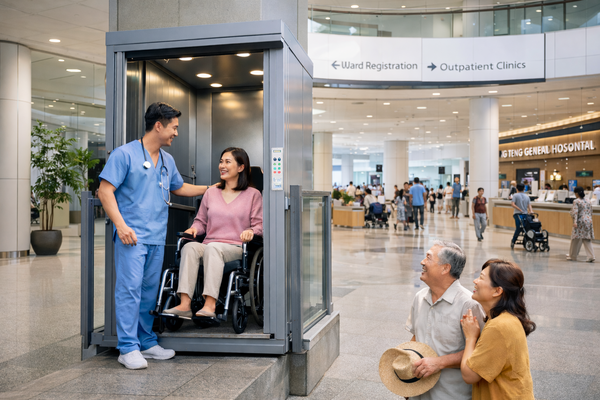
Professional support prevents crisis-driven decisions.
Long-term care support services in Singapore include:
- Home-based respite care
- Home nursing services
- Centre-based day care
- Residential nursing homes.
Home nursing services may cost several hundred to over S$1,000 monthly, depending on frequency. Nursing home fees typically range from approximately S$2,000 to S$4,000 per month before subsidies, making financial planning essential.
Government schemes such as MediSave, MediShield Life, CareShield Life, and Ministry of Health means-tested subsidies help offset costs. AIC provides guidance on eligibility and applications.
Early engagement prevents emergency placements and financial shocks.
Read more: CareShield Life: What Is It, and Is It Worth It?
Financial planning for long-term family caregivers
Financial planning directly reduces caregiving-related risks.
Long-term care insurance schemes such as CareShield Life and ElderShield provide monthly payouts upon severe disability. Integrated Shield Plans (ISPs) cover hospital expenses. Adequate insurance coverage protects both savings and income stability.
The following financial planning actions strengthen caregiving sustainability:
- Build an emergency fund: Maintain 3–6 months of essential living expenses in liquid savings.
- Review health and protection insurance: Assess ISPs, term life insurance, and personal accident coverage.
- Evaluate CPF and retirement plans: Understand how reduced employment affects CPF contributions and retirement adequacy.
Many caregivers reduce working hours or exit employment prematurely. Without structured planning, this creates long-term financial insecurity.
Read more: How To Choose the Right Hospitalisation Plan in Singapore
Conclusion
Family caregiver burnout results from prolonged physical, emotional, and financial strain without adequate support. Prevention requires structured skill development, boundary-setting, delegation, professional assistance, and proactive financial planning.
Long-term caregiving is sustainable when caregivers protect their health, preserve financial stability, and access available support systems. With the right strategies, family caregivers can maintain both care quality and personal well-being.
Read more: Financial Planning While Supporting Elderly Parents