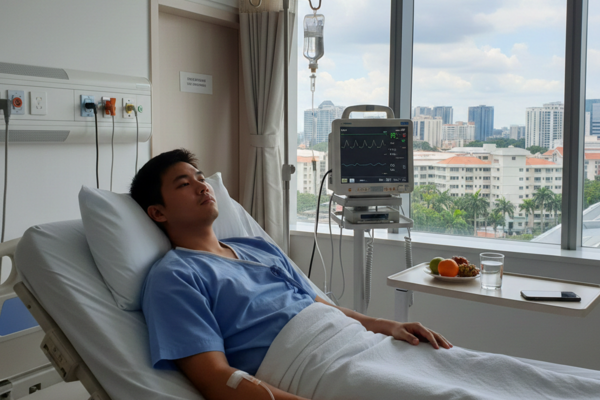

Hospitalisation insurance plays a critical role in financial protection in Singapore. Medical costs continue to rise, claim limits evolve, and premiums for Integrated Shield Plans have increased over time. These changes make it more important than ever to understand what your plan actually covers and whether it fits your long-term needs.
In this guide, you’ll learn:
- How MediShield Life and Integrated Shield Plans work.
- Why panel versus non-panel doctors affect your claims.
- How annual limits, deductibles, and co-payments shape your out-of-pocket costs.
- What options are available for Singapore Citizens (SCs), Permanent Residents (PRs), and foreigners.
- Whether hospital cash riders offer real value.
Types of hospitalisation plans
MediShield Life
All SCs and PRs automatically receive coverage under MediShield Life. This national health insurance scheme helps pay for large hospital bills, particularly in public hospitals, and premiums are payable using MediSave.
If you stay in a B2 or C ward at a public hospital, MediShield Life typically covers a significant portion of the bill, leaving you with manageable out-of-pocket costs.
However, if you choose a Class A ward or a private hospital, MediShield Life still only covers up to its set claim limits, regardless of the actual bill. This means you may need to cover a much larger share of the bill yourself.
Integrated Shield Plans (IPs)
Integrated Shield Plans build on MediShield Life by offering coverage for higher ward classes or private hospitals. Insurers price these plans differently, and premiums generally rise with age.
Because premiums and benefits vary significantly across insurers, choosing a plan you can afford both now and in the long term is essential. A plan that stretches your budget today may become unsustainable later in life.
Specialist and foreigner-eligible plans
Foreigners working in Singapore, as well as PRs seeking additional protection, should check eligibility carefully. While some insurers offer hospitalisation plans for foreigners, these plans operate as standalone private medical insurance rather than Integrated Shield Plans.
Before buying, confirm:
- Eligibility requirements
- Underwriting criteria
- Whether MediSave can be used (PRs only)
- Coverage scope and limits
Additional riders
You can add riders to your hospitalisation plan to reduce out-of-pocket expenses. A common option is a daily hospital cash rider, which pays a fixed amount for each day you are hospitalised.
You can use this cash to offset:
- Deductibles
- Co-insurance or co-payments
- Non-medical costs such as transport or caregiving expenses
Some riders also reduce your deductible or co-payment to a capped amount, depending on insurer rules.
How panel vs non-panel doctors affect your claims

When choosing a hospitalisation plan, many people overlook whether their doctor is on the insurer’s panel. This choice can significantly affect both claims approval and out-of-pocket costs. This applies only to private hospital claims.
What is a panel doctor?
A panel doctor is a specialist approved by your insurer. When you use a panel doctor:
- Claims are processed more smoothly.
- You are more likely to receive a Letter of Guarantee (LOG).
- Out-of-pocket costs are usually lower due to pre-agreed rates.
Using non-panel doctors
You can still choose a non-panel doctor, but trade-offs apply:
- Higher upfront cash deposits
- Partial reimbursement if charges exceed insurer limits.
- Longer claims processing due to additional documentation.
Why panel and non-panel doctors matter for hospitalisation plans in Singapore
Panel arrangements matter because hospitalisation plans in Singapore rely heavily on network pricing and cost controls to remain sustainable.
Insurers work closely with panel doctors and hospitals to manage treatment costs and standardise fees. As a result, panel status directly affects claim approval, co-payments, and reimbursement levels.
Using non-panel doctors shifts more financial risk to you. In private hospitals, where bills escalate quickly, this can lead to significantly higher out-of-pocket costs, even if you have an Integrated Shield Plan.
When choosing or upgrading a plan, review:
- The size and quality of the insurer’s panel network.
- Whether your preferred doctors and hospitals are included.
- How claims differ for panel versus non-panel treatment.
Read more: The Real Cost of Getting Sick With Insurance
Annual limits, deductibles, and co-payments explained

Three components largely determine how much you pay out of pocket.
Annual claim limits
Annual limits cap how much your plan pays in a policy year. Higher-tier plans usually offer higher limits because private hospitals and Class A wards cost more. Any amount exceeding these limits becomes your responsibility.
Deductibles and co-payments
A deductible is the amount you pay first each year before insurance coverage begins. After that, co-payment applies, which is a percentage of the remaining eligible bill.
These two elements determine your financial exposure and should be carefully compared across plans.
Read more: MOH Announces Major Overhaul of IP Riders Effective 1 April 2026
Citizens, PRs, and foreigners: How coverage differs
Your residency status in Singapore plays a major role in determining the type of hospitalisation coverage available to you, how much support you receive, and how you pay for premiums. Understanding these differences helps you avoid gaps in protection and plan more realistically for long-term healthcare costs.
For Singapore Citizens
- Automatic MediShield Life coverage for large hospital bills in public hospitals.
- Lifetime coverage, regardless of health status.
- MediSave usage for MediShield Life and IP premiums.
- Access to IPs for higher ward classes or private hospitals.
- Government subsidies that help offset premiums, particularly at older ages.
For Permanent Residents
- Automatic MediShield Life coverage
- Eligibility to purchase IPs
- MediSave usage (within limits) to pay IP premiums
- Lower subsidy levels compared to SCs, which affects long-term costs.
For foreigners
- No access to MediShield Life.
- Access to limited IPs.
- No MediSave usage or government subsidies.
- Reliance on private hospitalisation insurance or employer group coverage.
- Higher premiums and stricter benefit limits under private plans.
- Potential coverage gaps if employer benefits are basic or capped.
- Portability concerns, as some plans may end if employment or residency status changes.
Read more: What’s Changing for MediSave, MediShield Life, Dental and Long-Term Care
Key tips for comparability
When comparing hospitalisation plans in Singapore, look beyond headline premiums. Differences in hospital access, claim limits, and cost-sharing can significantly affect your long-term costs.
| What to compare | Why it matters |
| Hospital type and ward class | Costs differ widely between public and private hospitals. |
| Coverage for high-cost treatments | Benefits for expensive treatments, such as cancer drugs under the Cancer Drug List (CDL), vary across insurers and can significantly affect out-of-pocket costs. |
| Annual claim limits | Determines protection for major or prolonged stays. |
| Out-of-pocket exposure | Deductibles, co-payments, and non-panel penalties matter. |
| Premium sustainability | Premiums rise with age and affect long-term affordability. |
| Portability and eligibility | Foreigners should confirm whether coverage continues if employment or residency status changes. PRs should consider how MediSave withdrawal limits affect future affordability. |
| Employer coverage gaps | Group plans may not cover major hospitalisation, and if covered, limits may be low. |
Are hospital cash riders worth it?

A hospital cash rider (also known as a daily hospital cash benefit) is an add-on to your hospitalisation plan that pays you a fixed daily amount for each day you are hospitalised, regardless of the size of your medical bill or the actual charges incurred.
Unlike standard hospitalisation benefits, hospital cash payouts are not tied to specific medical expenses. You can use the cash freely, whether to offset deductibles and co-payments, cover non-medical costs such as transport or caregiver expenses, or replace lost income during a hospital stay.
They may be useful if you:
- Prefer Class A wards or private hospitals.
- Want extra cash flow during hospital stays.
- Expect longer hospitalisation periods.
However, they come with additional premiums and may offer limited value for short stays. If you already have sufficient savings, the rider may serve more as convenience than necessity.
Hospital cash riders work best as a supplement, not a substitute, for comprehensive hospitalisation coverage.
Conclusion
Choosing the right hospitalisation plan in Singapore requires balancing affordability, coverage, and long-term sustainability. By understanding how MediShield Life, Integrated Shield Plans, panel networks, and riders work together, you can build coverage that protects both your health and your finances.
A well-chosen plan gives you confidence that, when the unexpected happens, you can focus on recovery rather than financial stress.