Travelling with pets from Singapore no longer feels unusual.
More pet owners now choose to bring their dogs or cats overseas instead of leaving them behind. Whether for relocation, extended holidays, or long-term work assignments, pet travel has become part of modern Singaporean life.
However, flying with pets involves more than emotional readiness. Airline rules, import regulations, insurance planning, and cost considerations all play essential roles.
This guide provides a complete overview of travelling with pets from Singapore. It covers airline requirements, Singapore import rules, preparation steps, insurance needs, budgeting, and practical travel tips to help you plan confidently and avoid costly mistakes.
Why pet travel is becoming more common
Many owners now consider pets as family members, which influences travel decisions. Long separations often cause anxiety for both pets and owners, especially during extended trips.
Global mobility also drives this trend. Singaporeans increasingly relocate overseas for work or education, making international pet travel unavoidable. Improved airline handling standards and clearer regulations have also increased confidence in flying with pets.
Remote work arrangements further support this change. Longer stays abroad feel more manageable when pets travel together with their owners, increasing demand for reliable pet travel solutions.
Understanding airline rules in Singapore

Flying with pets from Singapore is not governed by a single set of rules. Instead, requirements vary depending on the airline, destination, and how your pet travels, whether in the cabin, in the hold, or via specialised pet travel services. Understanding these differences early helps avoid last-minute rejections, delays, or unexpected costs.
How SingaPaw Air operates as a pet-first airline
Some airlines and service providers are designed entirely around pet travel. SingaPaw Air, for example, operates as a pet-first airline rather than a traditional commercial carrier.
Unlike most airlines, SingaPaw Air:
- Imposes no weight, breed, or size restrictions.
- Allows pets to travel with their owners, never as cargo.
- Does not place pets in aircraft holds.
- Designs journeys around pet comfort, safety, and reduced stress.
- Offers custom pet dining and specialised handling throughout the journey.
SingaPaw Air is an AVS-recognised pet travel agent and an IATA-certified agent, complying fully with Live Animal Regulations (LAR). It manages permits, health documentation, quarantine arrangements, and flight coordination for relocations and pet-inclusive holidays.
What to expect with traditional carriers like KLM
Most commercial airlines operating out of Singapore follow stricter and more standardised pet policies. KLM Royal Dutch Airlines offers a good example of how traditional airlines manage pet travel.
Reservations and eligibility
- Only cats and dogs are accepted.
- Pets must travel on the same flight as the owner.
- Reservations must be made at least 48 hours before departure.
- Space is limited and depends on aircraft type, route, and destination.
- Pets must meet minimum age requirements (generally at least 15 weeks).
Pets in the cabin
- Limited to one cat or dog per passenger.
- Only allowed in certain travel classes and routes.
- Pets must fit in a closed carrier under the seat.
- Combined weight of pet and carrier must not exceed 8kg.
- Pets must remain inside the carrier for the entire flight.
Pets in cargo
- Up to three pets may travel in the hold under strict size and weight limits.
- Combined pet and kennel weight must stay below 75kg.
- Certain aircraft types and long transfer times restrict hold transport.
- Many snub-nosed breeds are not permitted in the hold due to health risks.
Breed, aircraft, and route restrictions
Traditional airlines impose:
- Breed restrictions, especially for snub-nosed cats and dogs.
- Aircraft-specific limitations where pets cannot travel in the hold.
- Country-specific bans, such as restrictions on pet travel into the UK.
- Additional requirements for destinations like the United States, including CDC dog import forms, microchipping, and minimum age rules.
Fees can range widely, depending on route and travel method.
Documentation, compliance, and preparation
Regardless of airline, pet owners flying from Singapore must prepare extensive documentation:
- Veterinary health certificates
- Vaccination records
- Microchipping
- Rabies testing (where required)
- Import permits and quarantine approvals
Failure to comply with airline or destination-country rules can result in boarding refusal, denied entry, quarantine, or additional costs such as rebooking and kennel fees. Airlines strongly discourage sedating pets and require IATA-compliant kennels that allow pets to stand, turn, and lie down comfortably.
Key takeaway for pet owners
There is no “one-size-fits-all” rule when flying pets from Singapore. Pet-first services prioritise comfort and inclusion, while traditional airlines prioritise safety, regulation, and operational limits.
Before booking any flight, pet owners should:
- Confirm airline-specific pet policies early.
- Check destination-country import rules.
- Decide whether cabin travel, hold travel, or specialised pet services best suit their pet’s needs.
Doing so reduces stress, for both you and your pet, and ensures a safer, smoother journey.
Preparing your pet for travel
Singapore furparents who have successfully travelled with their pets, such as Kimberley Yeo, Rachell Ng, April Liang, and Vivienne Loh, share one common piece of advice.
1. Start planning earlier than you expect
Kimberley Yeo, who travelled across Europe with her Maltese, began planning about three months in advance. First-time traveller Rachell Ng took close to a year to prepare her Pomeranian for Japan. Rushing the process often leads to avoidable stress and last-minute complications.
2. Choose destinations with pet-friendly regulations
Many furparents deliberately avoid countries with long quarantine requirements. Instead, they choose destinations such as Europe and Japan, where quarantine is typically not required for properly vaccinated pets.
3. Confirm airline policies and availability early
Only a limited number of airlines flying from Changi allow pets, and even fewer permit them in the cabin. Vivienne Loh, whose dogs travelled in cargo to Japan, emphasised securing pet slots early, especially for larger pets.
4. Book flights strategically, not just cheaply
April Liang, who brought her West Highland White Terrier to Europe, recommends choosing flights that align with your pet’s sleep schedule and selecting quieter seating areas when travelling in the cabin. For cargo travel, arrival timing should match inspection or quarantine centre operating hours to avoid extended waiting times.
5. Treat paperwork as two separate journeys
Furparents stress that travelling with pets involves both export and import requirements for the outbound and return legs. This typically includes licences, vaccination and microchip records, rabies testing, and veterinary health certificates issued and endorsed at both ends. Each document has a strict validity period, making backward planning essential.
6. Prepare your pet for the journey itself
Rachell Ng gradually trained her dog to stay in a zipped carrier for longer periods before travel. Vivienne Loh crate-trained her dogs and exposed them to loud noises to reduce anxiety. Sedation is generally discouraged unless advised by a veterinarian.
7. Expect challenges, but stay calm
Even with preparation, some pets may feel anxious during take-off or unfamiliar surroundings. Furparents found that calm reassurance, familiar items, and patience helped their pets settle, especially during long flights or extended arrival procedures.
Singapore import rules for pets
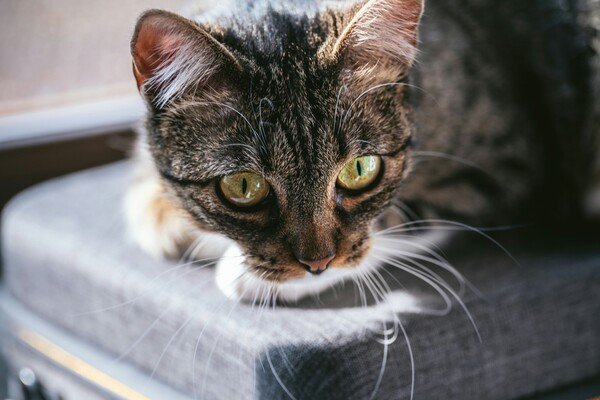
Singapore enforces strict pet import rules to maintain its rabies-free status. The Animal & Veterinary Service (AVS) regulates the import and export of dogs and cats.
Requirements vary by country of origin but commonly include:
- Microchipping before vaccination
- Rabies vaccination
- Rabies antibody titre testing for selected countries
- Import permits
- Veterinary health certification
- Mandatory quarantine for higher-risk countries
Updated rules on mandatory quarantine
Dogs and cats imported from the following countries do not require quarantine, provided all AVS veterinary conditions are met:
- Australia
- New Zealand
- Republic of Ireland
- United Kingdom
Pets from these countries may proceed after inspection and document clearance. Always check the latest AVS requirements before travelling, as rules may change.
Read more: Pawtecting Your Furkids: Pet Insurance and a Vet’s Take on It
Costs and budgeting for travelling with pets from Singapore

Airline fees represent only part of the total expense. Veterinary requirements, documentation, quarantine, and insurance costs all contribute to the overall budget.
Understanding these expenses early helps pet owners plan realistically and avoid rushed decisions or cancelled flights.
Estimated cost breakdown
| Cost category | Estimated range | Notes |
| Airline pet transport | S$1,000 – S$5,000+ | Weight- and destination-based |
| Private jet (pet-inclusive) | S$80,000 – S$200,000+ | One-way, ideal for relocations or multiple pets |
| IATA-compliant travel crate | S$150 – S$600 | One-time purchase |
| Veterinary checks and vaccinations | S$300 – S$800 | Routine preparation |
| Rabies vaccination and titre test | S$400 – S$1,200 | Required for selected countries |
| Export health certification | S$100 – S$300 | Issued close to departure |
| Import permit | S$50 – S$200 | Destination-specific |
| Quarantine fees | S$250 – S$2,000+ | Depends on duration and country |
| Pet insurance (annual) | S$300 – S$800 | Coverage varies |
| Travel insurance (owner) | S$100 – S$300 | Optional add-ons |
| Ground transport and accommodation | S$200 – S$1,000+ | Pet-friendly services |
Note: The estimated costs above are based on common pet travel scenarios from Singapore for dogs and cats travelling on commercial airlines. Actual costs may vary depending on pet size and breed, destination country regulations, airline pricing structures, veterinary fees, exchange rates, and whether quarantine is required.
Why pet insurance is important when travelling
International travel exposes pets to unfamiliar environments, stress, and health risks. Emergency veterinary treatment overseas can cost thousands of dollars.
Pet insurance may cover:
- Emergency veterinary treatment overseas
- Accidental injuries during travel
- Travel-related illnesses
- Personal liability involving pets
Always review policy terms carefully to confirm overseas coverage.
Read more: Best Pet Insurance in Singapore
Travel insurance for pet owners

Travel insurance complements pet insurance by protecting the owner from common disruptions, such as:
- Trip cancellations
- Travel delays
- Baggage loss or delays
Combining both policies provides comprehensive protection when travelling with pets from Singapore.
Read more: Best Travel Insurance in Singapore
Final thoughts
Travelling with pets from Singapore can be smooth and stress-free with the right preparation. Start by understanding airline rules, securing all required documentation, and checking destination-specific import requirements.
Plan your budget carefully and invest in both pet insurance and travel insurance. These safeguards protect your pet’s health and shield you from unexpected financial losses.
Take action early, contact your airline, book veterinary appointments, and arrange insurance coverage. With proper planning, international pet travel can become an enjoyable experience rather than a stressful one.
Read more: Best Credit Cards in Singapore for Travel and Rewards