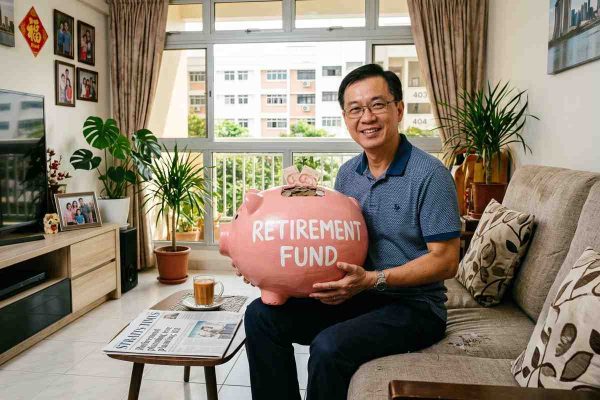

Money isn’t just a number on a bank statement, it’s a tool that shapes decisions, habits, and peace of mind.
In Singapore, where the cost of living is high and daily expenses quickly accumulate, people are increasingly aware of the importance of intentional spending. Surveys show that many residents prioritise emergency savings, insurance protection, and thoughtful budgeting, yet small daily purchases often slip under the radar.
The real value of money is not in the price tag but in what a purchase can replace, such as stress, inefficiency, indecision, or missed opportunities. Even modest investments can create micro-moments of clarity and foster habits that pay off over time.
Before spending, ask yourself:
- Which everyday problem does this solve?
- Does it prevent future costs or unnecessary spending?
- Will it save time or reduce mental clutter?
This blog explores five small purchases that transform how people perceive and value money, making financial decisions smoother and more intentional.
Purchase 1: Financial planning consultation

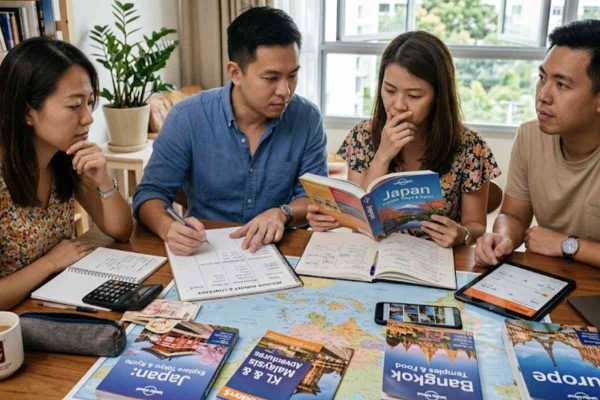
At some point, everyone hits that moment where finances feel like a blur, bills pile up, savings goals get pushed aside, and it’s hard to know if the right decisions are being made.
One session with a financial planner can be the turning point. Income, expenses, and future goals are mapped out in a way that makes sense. The feeling of seeing everything laid out is surprisingly freeing. The small investment in guidance shows that clarity and peace of mind can come from a modest consultation.
| What it replaces | Benefit / Micro-moment | Takeaway |
| Confusion about finances | Seeing income, expenses, and goals clearly | Decisions feel manageable, stress is reduced |
| Mental clutter | Consolidated action steps | Makes daily financial choices easier |
| Uncertainty about priorities | Clear plan for savings, investments, insurance | Confidence in what to do next |
Read more: How to Automate Your Personal Finances
Purchase 2: Meal planning app subscription
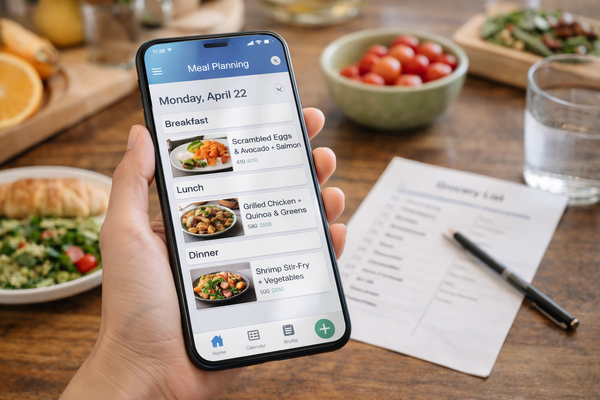
There’s something familiar about staring at the fridge at 7pm, wondering what to cook, or scrolling endlessly on a delivery app because nothing seems ready at hand. With a meal planning app, the week suddenly has structure. Recipes are ready, shopping lists are sorted, and decisions don’t need to be made on the fly.
Money that might have been spent impulsively on last-minute deliveries now goes towards groceries that are actually used. Planning meals ahead doesn’t just save money, it makes the weekly routine feel smoother and less stressful.
| What it replaces | Benefit / Micro-moment | Takeaway |
| Impulse food orders | Weekly meals organised ahead | Save money and avoid last-minute decisions |
| Decision fatigue | Ready grocery list and recipe | Focus energy on work, family, or hobbies |
| Food waste | Only purchase needed ingredients | Reduce unnecessary spending |
Purchase 3: Paid short learning course or workshop
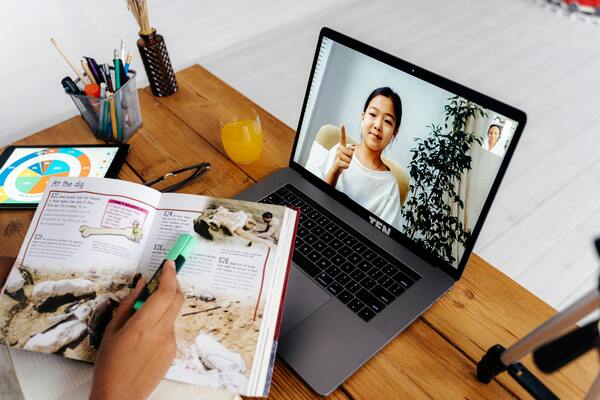
Learning is easy to put off, especially with so many free resources, YouTube videos, and articles available everywhere. But when a small fee is invested in a structured course, attention sharpens and commitment follows naturally. Completing even a short workshop or online course feels like an accomplishment, and applying just one new lesson creates an immediate sense of growth.
It’s remarkable how this small commitment can shift daily choices. Budgeting decisions become more intentional, time is used more efficiently, and the perspective on what “worthwhile spending” means starts to change.
| What it replaces | Benefit / Micro-moment | Takeaway |
| Passive learning | Completing a structured lesson | Immediate sense of accomplishment |
| Low skill application | Apply one lesson in daily life | Better decisions and small habit changes |
| Low commitment | Investment ensures follow-through | Learning feels purposeful and actionable |
Read more: How to Upskill Without Quitting Your Job in Singapore
Purchase 4: Term life insurance policy

Term life insurance is purchased not because risks are guaranteed to occur, but because we cannot predict when they might. That sense of control over uncertainty is often more valuable than the policy itself, changing how everyday financial choices are approached.
With coverage in place, there’s an immediate sense of reassurance. The “what-if” scenarios that often linger in the back of our minds no longer dominate decisions about spending, saving, or daily budgeting. Even though the premium is modest, it provides a safety net for dependants and allows focus to shift back to growth and planning rather than constant worry.
| What it replaces | Benefit / Micro-moment | Takeaway |
| Anxiety about unknown events | Confidence in financial safety net | Focus on growth instead of worry |
| Stress over dependants’ security | Protection in place | Decisions feel lighter and more intentional |
| Uncertainty about future | Peace of mind knowing family is covered | Provides structure for other financial planning |
Read more: Best Term Life Insurance Plans in Singapore
Purchase 5: Reusable shopping bag / eco bag
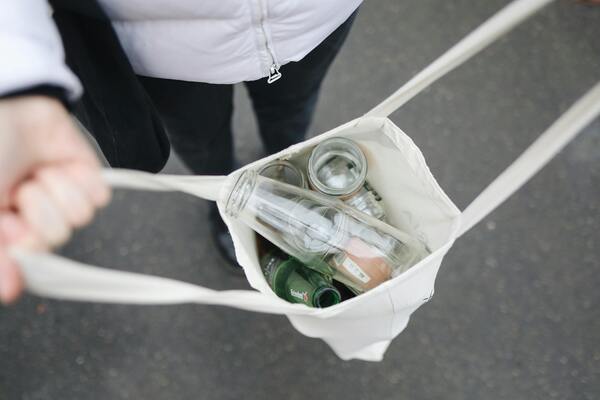
Carrying a reusable shopping bag seems minor, but it subtly changes how everyday routines unfold. No more last-minute purchases of plastic bags, no more scrambling for alternatives at checkout. The small act of preparedness translates into a smoother shopping experience, and even encourages mindfulness in other small spending habits.
It’s easy to see how tiny, thoughtful investments like this can ripple out to influence larger habits, from budgeting to daily decision-making.
| What it replaces | Benefit / Micro-moment | Takeaway |
| Last-minute disposable bags | Bag always ready | Makes daily errands smoother |
| Small friction in routine | Prepared for shopping | Encourages planning and mindfulness |
| Impulsive minor spending | Avoid repeated small purchases | Subtle habit reinforcement in daily life |
Read more: Should You Use Buy Now Pay Later? Here’s What To Know
Conclusion
The most valuable purchases are those that reduce stress, streamline routines, and provide peace of mind. When money is used deliberately, it becomes a tool for better decisions, planning, and long-term security.
In Singapore, where daily expenses and financial pressures are high, this approach helps every dollar work harder. Thoughtful, small purchases simplify life, encourage better habits, and strengthen financial confidence, proving that true value lies in what a purchase enables, not just in its cost.