Many Singaporeans feel pressured by rising living costs, especially when salaries do not grow at the same pace.
According to the Ministry of Manpower, the median gross monthly income for full-time workers was about S$5,500 in 2024, yet transport, food, healthcare, and housing costs continue to rise. Relying on a single income source makes it harder to save, plan for retirement, or handle unexpected expenses.
This has led more Singaporeans to develop multiple income streams to strengthen financial resilience. A second or third income stream provides stability, reduces stress, and offers protection if your job or industry changes. The goal isn’t to replace your main job overnight but to build a financial buffer that supports long-term security.
What to prepare before creating multiple income streams
Before starting a side hustle, it helps to set a strong foundation so you can grow steadily without burning out.
1. Maintain a stable primary income source
Your main job serves as the backbone of your finances, providing essential benefits such as CPF contributions, employer-sponsored insurance, and a predictable monthly salary. Relying solely on freelance or commission-based income can make cash flow vulnerable to even small slowdowns. With a primary salary covering essential expenses, additional income streams can be pursued with greater flexibility and less financial pressure.
2. Understand your employment contract restrictions
Some industries, such as finance, cybersecurity, government-linked roles, or any job involving confidential data, place limits on outside work. Common restrictions include:
- No work for competitors
- No undisclosed freelance activities
- Need for prior approval for side businesses
For example, a bank employee may need to declare a finance-related blog, and civil servants often require approval before starting an online business. Always check your HR policies to avoid breaching your contract.
3. Know your tax obligations
Any income earned outside of full-time employment must be declared to IRAS. This includes freelance work, commissions, rental income, and profits from small businesses. While dividends from SG stocks are generally exempt under the one-tier tax system, dividends from foreign stocks may be taxable depending on the source country. Individuals who run small e-commerce businesses or undertake occasional freelance work should set aside a portion of their earnings to cover annual tax obligations.
Realistic income streams you can build in Singapore
There are many accessible ways to earn extra income, even if you have limited capital or experience. The key is choosing income streams that match your goals, lifestyle, and available time.
1. Dividend investing through SGX REITs, dividend stocks and ETFs
Dividend investing is popular in Singapore because many companies and REITs offer regular payouts. Well-known REITs like Mapletree Logistics Trust and CapitaLand Integrated Commercial Trust have historically delivered yields of around 4% to 6%. The Straits Times Index ETF gives diversification with annual dividends.
How to start with small amounts?
Platforms such as DBS Vickers, OCBC Securities, FSMOne, Tiger Brokers, and Moomoo allow beginners to start investing from around S$100.
Dividend investing offers consistent passive income, but returns vary.
- Rising interest rates may reduce REIT payouts.
- Different sectors perform differently.
- Rental income fluctuations affect REIT performance.
Read more: Investment Portfolio Basics: What is it, and How to Build One?
2. Micro e-commerce

Micro e-commerce is one of the easiest income streams to start in Singapore. Platforms like Shopee, Carousell, and TikTok Shop provide built-in traffic and low barriers to entry.
Low-cost entry models:
- Dropshipping: You pay suppliers only after receiving an order.
- Print-on-Demand: Pay for printing and shipping only when a customer buys.
- Small-batch selling: Start with a curated range of products.
Tools like Shopify and Canva simplify store set-up and marketing. Launching too many products at once often leads to stress. Focus on one niche, optimise listings, and use customer feedback to refine your offerings.
3. Content creation

Content creation has become one of the most accessible income streams in Singapore, thanks to platforms such as TikTok, YouTube, Instagram, and LinkedIn. You do not need professional equipment or a large following to start, many Singaporean creators earn side income through simple, consistent content that resonates with a niche audience.
Popular content types in Singapore
Certain formats perform well locally because they match Singaporeans’ interests and viewing habits:
- Short-form videos (TikTok Reels, YouTube Shorts)
- Lifestyle or daily routines
- Educational content (career tips, money management, productivity hacks)
- Food reviews and recommendations
- Personal finance explainers
- Voice-over videos or photo slideshows, which are low-effort but effective
These formats are beginner-friendly and do not require heavy editing. Once you grow a steady audience, you can monetise through several income streams:
- Ad revenue: YouTube Partner Programme or TikTok Creator Rewards Programme
- Brand partnerships: Companies pay to feature their products
- Affiliate marketing: Earn commissions when followers buy through your link
- Digital products: Templates, e-books, guides or presets
- Workshops or coaching: For niche experts such as fitness coaches or career mentors
Diversifying income also protects you if one platform changes its algorithm.
Read more: Want To Earn From What You Create? Here Are 5 Ways To Monetise Your Content
4. Room or property rental
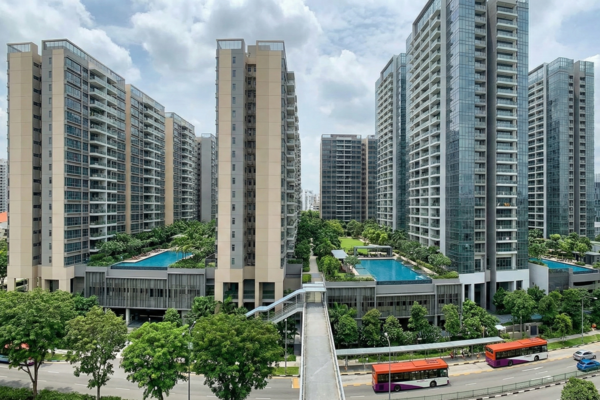
Renting out a spare room or an investment property is one of the most reliable income streams in Singapore. Demand remains consistently strong among students, expatriates and working professionals, especially in areas near MRT stations, business hubs or universities. Rental income offers stable cash flow and can help offset mortgage payments or build long-term wealth.
HDB rentals
- You must fulfil the Minimum Occupation Period (MOP) before renting out the whole flat.
- You can rent out individual rooms before MOP, but you must live in the unit.
- There are limits on the number of tenants, depending on the flat size.
- Minimum rental periods apply (e.g., no short-term Airbnb-style stays).
Condominium rentals
- Greater flexibility with rental rules, including renting out the entire unit anytime.
- Higher rental rates due to facilities and location advantages.
- Comes with additional costs like maintenance fees and occasional special contributions.
How much can you earn?
Rental income depends on factors such as:
- Location
- Proximity to MRT stations
- Property type (HDB vs condo)
- Furnishing and renovation condition
- Size of room or unit
Read more: How To Rent Out Your Property in Singapore Without an Agent?
5. CPF Special Account (SA) top-ups
While CPF-SA top-ups are not a traditional income stream, they provide one of the safest and most predictable ways to grow your wealth in Singapore. The CPF (SA) currently earns up to 4% interest per year, offering a risk-free return backed by the Singapore government. This makes it a strong option for individuals seeking stability without market volatility.
- Guaranteed, stable returns: Higher than most bank savings accounts or fixed deposits.
- Tax relief: Voluntary top-ups using the Retirement Sum Topping-Up (RSTU) scheme may qualify for tax deductions of up to S$8,000 per year.
- Compounding power: Long-term savers benefit from many years of compounding, which significantly boosts retirement savings.
- Low-risk option: Suitable for those who prefer predictable growth rather than market fluctuations.
6. Robo-advisors
Robo-advisors like Endowus, Syfe, and StashAway have become popular in Singapore because they automate investing and make diversification accessible for beginners. These platforms build portfolios based on your risk tolerance and financial goals, using global ETFs, bonds, equities, and other asset classes.
- You can begin investing with amounts as low as S$100.
- Lower fees than traditional financial advisers or unit trusts.
- Automated rebalancing to keep your portfolio aligned with your chosen risk level.
- Global diversification across sectors, geographies, and asset types.
- Ideal for busy working adults.
Expected returns and risks
- Returns depend on global market conditions, not guaranteed outcomes.
- Higher-risk portfolios offer more long-term growth but fluctuate more.
- Lower-risk portfolios focus on stability but grow more slowly.
- Suitable for investors willing to stay invested for 5 years or more.
How to combine income streams without burning out

Building multiple income streams is sustainable only when you manage your time and energy effectively.
The 70–20–10 capacity rule
The 70–20–10 capacity rule suggests allocating your time and energy strategically, spending 70% on your main job, 20% on your primary side income, and 10% exploring new ideas at a manageable pace. This approach helps maintain productivity while avoiding burnout and ensures you have room to experiment without stretching yourself too thin.
Use systems and automation
Leveraging systems and automation can significantly reduce manual work and free up time for rest. This can include automating monthly investments, scheduling social media posts, integrating courier services, and setting up automatic bill payments. By putting these processes on autopilot, routine tasks are streamlined, allowing for greater efficiency and more time for priorities outside of work.
Recognise early signs of burnout
Burnout often begins subtly. Warning signs include:
- Feeling drained even after rest
- Losing motivation for side projects
- Increased procrastination
- Forgetting routines or appointments
- Irritability or frustration over simple tasks
If you notice these symptoms, reassess your workload. You may decide to pause a project, simplify your processes, or focus on the income stream that offers the best return with the least stress. Sustainable progress beats rushing and burning out.
Conclusion
Building multiple income streams in Singapore can improve financial resilience, increase savings, and offer protection against economic uncertainties. The key is to start with a strong foundation, choose income streams that match your lifestyle, and manage your time wisely. With thoughtful planning and sustainable habits, you can grow your income while maintaining your well-being.
Read more: How To Boost Your Earning Potential