
Raising a child in Singapore involves planning for both everyday expenses and unexpected medical costs. While the healthcare system is highly developed, treatment costs can escalate quickly, particularly in private hospitals or for specialised care.
Child insurance provides a way to manage these risks by combining hospitalisation, critical illness, and accident coverage. The goal is to secure essential protection early when premiums are lowest and insurability is highest.
Key takeaways
- An Integrated Shield Plan forms the foundation of child insurance by covering large hospital bills beyond MediShield Life limits.
- Early critical illness insurance locks in low premiums and guarantees lifelong insurability before any medical conditions develop.
- Medical inflation, projected at 16.9% in 2026, makes regular policy reviews essential to maintain adequate coverage.
- Insurance planning for children should prioritise hospitalisation first, followed by income protection and accident coverage.
Do you need insurance for your child in Singapore?
Child insurance in Singapore refers to a combination of hospitalisation, critical illness, and accident coverage designed to protect families from rising medical costs and potential income disruption.
Insurance for children is not a legal requirement for Singaporean parents. Every citizen is automatically covered under MediShield Life, which provides basic hospitalisation coverage for subsidised wards. However, MediShield Life alone may not fully cover higher medical expenses, especially for private healthcare or specialised treatments.
Insurance becomes important because it bridges the gap between basic coverage and actual healthcare costs. For example:
- A serious illness may require one parent to stop working temporarily, resulting in income loss.
- Ongoing outpatient treatments, therapy, or follow-ups can accumulate significant costs over time.
Child insurance is therefore optional but strongly recommended in situations where families want financial certainty, access to faster treatment options, or protection against income disruption. It becomes essential for parents who prefer private healthcare, have limited emergency savings, or want to secure long-term insurability for their child.
What insurance does a child need in Singapore by age?

Insurance priorities for children are structured by life stage, with each stage focusing on the most relevant risks while building on existing coverage.
| Child’s age | Priority focus | Key insurance type | Why it matters |
| 0–2 years | Foundation | Integrated Shield Plan (IP) + Early Critical Illness (CI) | IP covers large hospital bills CI locks in low premiums and protects against serious illnesses early |
| 2–5 years | Protection expansion | Personal Accident (PA) + maintain core plans | Increased exposure to falls, hand, foot, and mouth disease, and outpatient treatments |
| 6–12 years | Optimisation | Review hospitalisation & CI plans | Adjust coverage based on school activities and sports risks |
| 13–18 years | Continuity & transition | Maintain plans + top-ups | Ensures coverage keeps up with inflation and prepares for adulthood |
This approach reflects how financial planners allocate protection, starting with essential hospitalisation coverage, then expanding into critical illness and accident protection as the child’s exposure to risks increases.
If you are unsure how to prioritise these stages for your own child, a personalised quotation from Planner Bee can provide clarity on suitable coverage combinations.
Stage 1: Best insurance for newborns in Singapore (0–2 years)
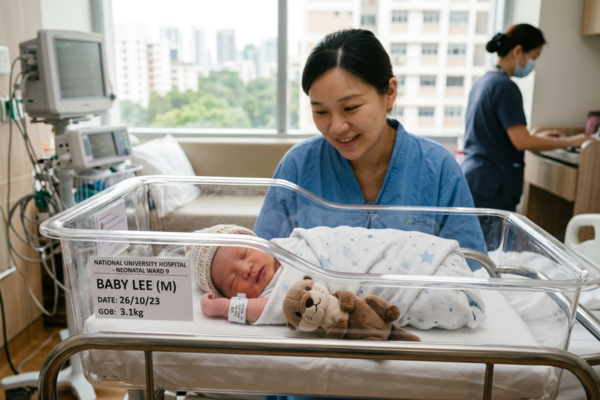
At this stage, the priority is to secure foundational protection before any medical conditions arise, as early underwriting ensures the widest coverage and lowest premiums.
Do newborns need hospital insurance in Singapore?
Integrated Shield Plans form the core of child insurance by covering large hospital bills beyond MediShield Life limits. MediShield Life provides basic coverage for B2/C wards, while IPs extend access to A-class wards and private hospitals.
Medical inflation in Singapore is projected to reach 16.9% in 2026, increasing the financial impact of hospitalisation. Early enrolment ensures continuous coverage without exclusions.
Key considerations when selecting an IP include:
- Ward class: Determines hospital type and premium level.
- Riders: Affect out-of-pocket costs such as deductibles and co-payments.
- Affordability: Ensures long-term sustainability of premiums.
Why buy insurance early for your baby?
Securing insurance before any conditions develop prevents exclusions for common childhood issues such as asthma, eczema, or allergies. Once diagnosed, these conditions may be permanently excluded from coverage.
Should you get critical illness insurance for a baby?
Early critical illness insurance provides additional financial protection:
- Locks in lower premiums for life when purchased early.
- Reduces the risk of exclusions due to future health conditions.
- Covers rare but high-impact illnesses such as childhood cancers.
This coverage provides a lump sum payout that can offset income loss if a parent needs to stop working to care for the child.
Read more: How To Avoid Living Paycheck to Paycheck
Stage 2: What insurance should toddlers have? (2–5 years)

At this stage, children become more active and are exposed to higher risks of minor injuries and infections.
Should you keep existing child insurance plans?
Parents should continue existing hospitalisation and critical illness plans to ensure uninterrupted protection.
Is personal accident insurance necessary for children?
Personal accident insurance becomes relevant due to increased exposure to everyday risks:
- Covers falls, fractures, and playground injuries.
- Provides reimbursement for outpatient treatments and medical consultations.
- Includes coverage for common illnesses such as HFMD.
These plans are typically affordable and straightforward to claim, making them a practical addition to core coverage.
Stage 3: Insurance for primary school children in Singapore (6–12 years)

At the primary school stage, children engage in more structured activities, including sports and school programmes, which increases both physical risk and healthcare usage.
Should you upgrade your child’s health insurance?
Parents should reassess existing policies to ensure they remain aligned with current needs:
- Adjust hospitalisation plans based on affordability and preference for private or public healthcare.
- Review critical illness coverage to ensure it matches family financial capacity.
Read more: What Illnesses Should Your Critical Illness Insurance Cover?
Do active children need extra insurance coverage?
Additional coverage may be necessary for active children:
- Higher accident coverage limits for sports-related injuries.
- Inclusion of physiotherapy or rehabilitation benefits.
Stage 4: Insurance planning for teenagers in Singapore (13–18 years)

During adolescence, the focus shifts to maintaining adequate protection and preparing for adulthood.
Should you keep your child’s insurance into teenage years?
Hospitalisation and critical illness plans should remain active to preserve long-term protection and insurability.
Is your child’s insurance still enough after inflation?
Plans purchased more than 10 years earlier may no longer provide sufficient coverage due to inflation. Reviewing and increasing sum assured ensures relevance to current medical costs.
How to transition your child to adult insurance plans
Parents should involve their child in understanding their insurance plans:
- Lock in insurability before any health changes occur.
- Consider upgrading coverage if financial circumstances allow.
- Encourage the child to continue the policy into adulthood to retain cost advantages.
Before this transition, obtaining an updated personalised quotation from Planner Bee can ensure the coverage remains aligned with current healthcare costs and future needs.
How to choose the right insurance plan for your child
Start with hospitalisation insurance, as it forms the foundation of a child’s financial protection. Add critical illness coverage early if the budget allows, as it secures long-term affordability and insurability. Introduce personal accident coverage when the child becomes more active and exposed to everyday risks.
Review insurance plans periodically as the child grows to ensure coverage remains adequate in the face of rising medical costs. Child insurance planning is not about overbuying policies, but about timing decisions effectively.
Early planning results in lower costs and broader coverage. Prioritise essential protection first, then build additional layers as needed.
Read more: Must-Have Insurance Policies in Singapore