

Technology has changed spending habits in Singapore by transforming how consumers initiate, evaluate, and complete financial transactions. Digital payment systems, online shopping platforms, and Buy Now, Pay Later services have shifted spending from cash-based decisions to instant, frictionless digital actions that influence purchase frequency, spending awareness, and cash flow management.
Key takeaways
- Digital payments such as PayNow and SGQR have increased transaction speed and spending frequency.
- Cashless systems reduce spending visibility, which can make cumulative expenses harder to track.
- Online shopping platforms such as Shopee and Lazada shorten the path between product discovery and purchase.
- Buy Now, Pay Later (BNPL) increases perceived affordability but can reduce long-term financial flexibility.
- Financial tools supported by institutions such as the Monetary Authority of Singapore can improve spending visibility and control when consumers use them consistently.
Why digital spending matters in Singapore
Digital spending refers to financial transactions completed through electronic systems such as mobile payments, online banking transfers, e-commerce platforms, card payments, digital wallets, and BNPL services.
This shift improves efficiency and convenience for consumers and businesses. Payments process faster, transaction records generate automatically, and consumers can access financial services more seamlessly across platforms.
However, digital systems also reduce spending visibility. Cash transactions create a physical reminder of money leaving one’s possession, while digital payments such as taps, scans, and clicks complete purchases instantly with minimal psychological resistance.
For many individuals, the financial impact emerges through cumulative micro-transactions across daily life. Within Singapore’s digital payments ecosystem, shaped by platforms such as PayNow and SGQR, typical daily digital spending may include:
- Paying for breakfast via digital transfers
- Using ride-hailing transport to work
- Ordering food delivery
- Buying items during online flash sales
- Paying for subscription renewals
- Managing Buy Now, Pay Later instalments
Individually, these expenses may appear small. Collectively, they can affect monthly cash flow and reduce awareness of total discretionary spending.
How PayNow, SGQR, and cashless payments changed spending
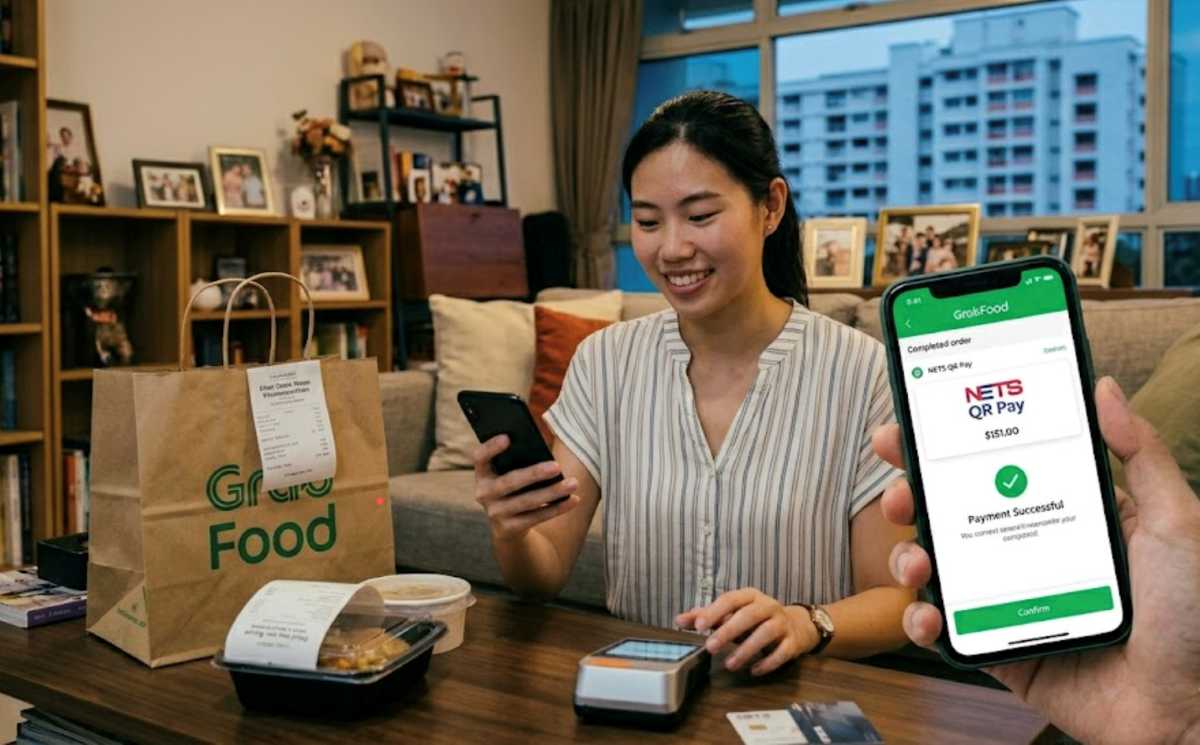
Digital payment infrastructure in Singapore has integrated real-time transfers and QR-based systems into everyday retail and peer-to-peer transactions.
PayNow enables instant transfers using mobile numbers, NRIC/FIN, or Virtual Payment Address identifiers, while SGQR standardises QR code payments across multiple providers to improve interoperability and merchant adoption.
Digital payments and cash payments create different spending behaviours because they change the level of friction, visibility, and control involved in each transaction.
Spending behaviour comparison
The table below compares how cash and digital payments differ across key spending factors, including awareness, speed, and record-keeping.
| Spending factor | Cash payments | Digital payments |
| Payment experience | Physical exchange of money | Tap, scan, or click |
| Awareness of spending | Highly visible | Less noticeable |
| Transaction speed | Slower | Faster |
| Budget limitation | Cash on hand | Linked accounts |
| Spending records | Manual tracking | Automatic logs |
Digital payments improve convenience but reduce cost salience, which refers to how noticeable a payment feels at the point of purchase. When payments feel less visible, repeated small transactions can become easier to overlook.
Read more: Going Cashless: Beginner’s Guide to Navigating e-Wallets
Online shopping and the rise of instant gratification
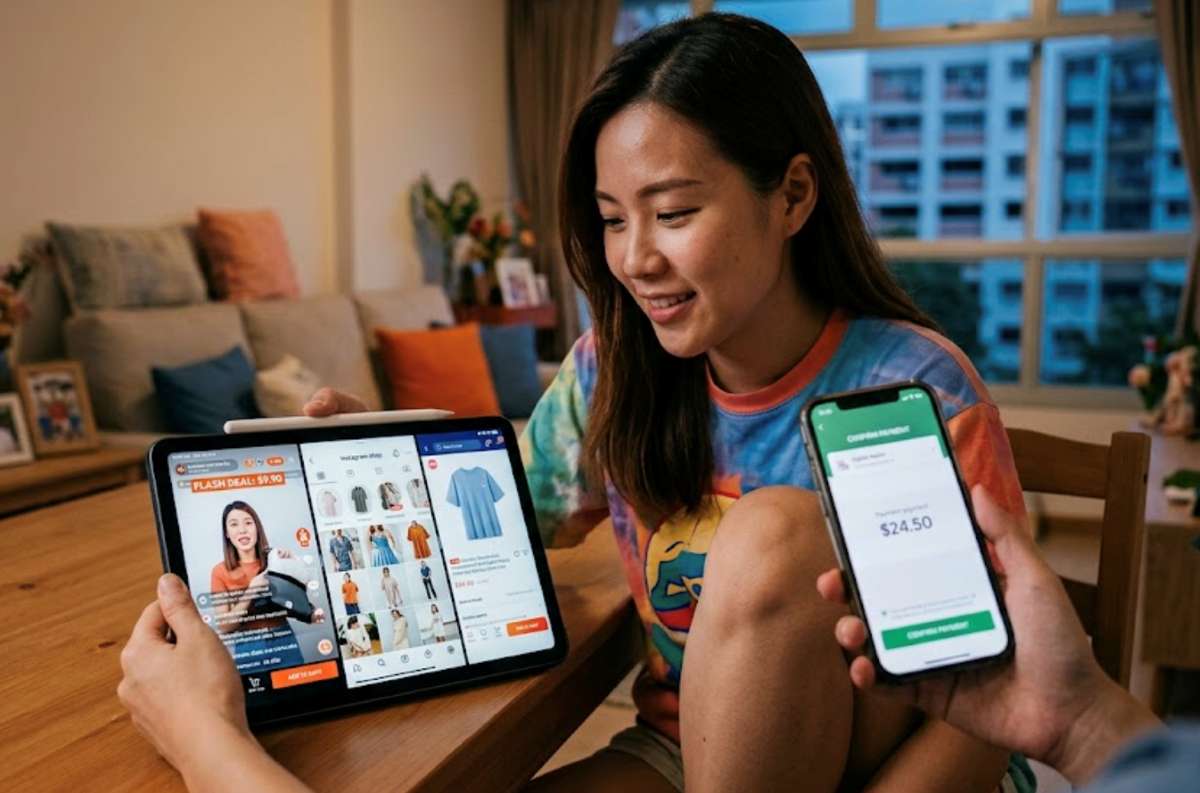
Online shopping has changed spending habits by reducing the time and effort required to discover, compare, and buy products. In Singapore, e-commerce platforms such as Shopee and Lazada have shifted some consumer behaviour from planned purchasing to immediate decision-making.
Social commerce and livestream shopping further shorten the time between product discovery and purchase. These formats combine entertainment, promotions, urgency, and direct checkout options, which can increase impulsive buying tendencies.
Example spending patterns
Example spending patterns refer to repeated small purchases that appear minor individually but create a meaningful effect on monthly cash flow when they occur frequently. Within Singapore’s e-commerce environment, common micro-spending behaviours include:
- $5 delivery fees (common micro-transactions that accumulate over time) increase monthly discretionary spending when repeated frequently.
- $10–$15 impulse purchases raise total expenditure when triggered by promotions.
- $20–$30 food delivery orders significantly increase food-related spending frequency.
- Subscription renewals create recurring financial commitments that often go unnoticed.
This pattern is known as spending leakage, where small repeated transactions accumulate into meaningful monthly expenses.
Note: Costs mentioned above are illustrative assumptions only used to demonstrate spending behaviour patterns.
Read more: What Drives Impulse Spending and How To Avoid It
How algorithms influence spending decisions
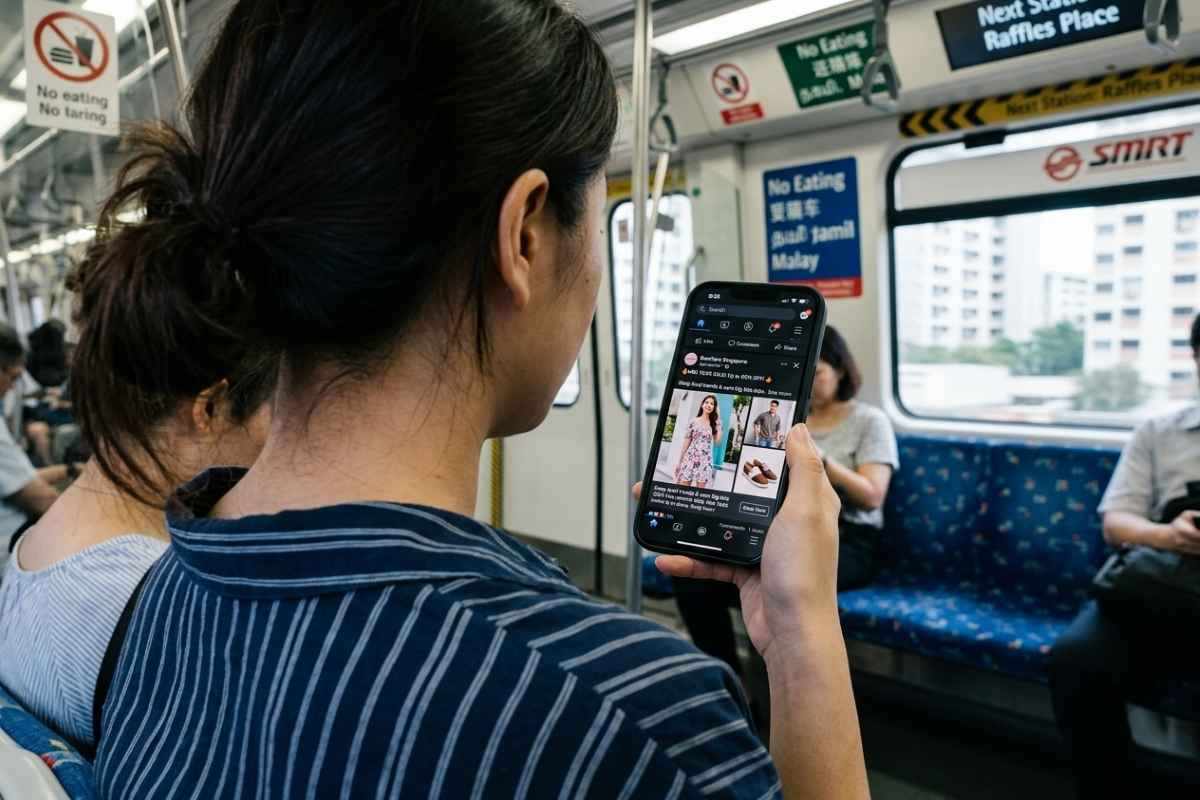
Algorithms influence spending decisions by using behavioural data to personalise the shopping experience. E-commerce platforms use artificial intelligence, browsing behaviour, purchase history, and promotional triggers to recommend products and reduce friction between discovery and checkout.
These systems can improve convenience for consumers, but they can also reduce decision latency. Decision latency refers to the time between seeing a product and deciding whether to buy it. A shorter decision window may increase unplanned spending.
Common algorithm-driven features
The table below outlines common algorithm-driven features used by e-commerce platforms, along with their intended purpose and the behavioural effects they have on consumers.
| Feature | Purpose | Behavioural effect |
| Personalised recommendations | Suggest relevant products | Encourages additional purchases |
| Flash sales | Create urgency | Increases impulse buying |
| Free shipping thresholds | Increase cart value | Raises basket size |
| Livestream promotions | Drive engagement | Encourages emotional purchases |
These mechanisms connect convenience with consumption. They make shopping easier, but they can also encourage consumers to spend before fully assessing whether the purchase fits their budget.
How BNPL is reshaping affordability in Singapore
Buy Now, Pay Later is a payment arrangement that allows consumers to split purchases into instalments instead of paying the full amount upfront. In Singapore’s BNPL ecosystem, supported by providers under the Singapore FinTech Association framework, BNPL services increase short-term affordability perception but do not reduce the total cost of a purchase.
BNPL affects spending behaviour because it separates the purchase decision from the full payment impact. A smaller instalment can feel more affordable than the full price, even when the consumer remains responsible for the total amount.
Example: BNPL affordability perception
A $600 purchase split into four instalments of $150 may feel more manageable than a single upfront payment. However, multiple concurrent BNPL plans can reduce future income flexibility and increase repayment pressure.
Key considerations before using BNPL
Consumers should assess BNPL purchases based on affordability, necessity, and future cash flow before committing to instalments. Key checks include:
- Whether the purchase is planned or impulsive.
- Whether the full amount can be paid upfront if required.
- How many active BNPL plans are currently running.
- Whether future instalments will affect essential expenses.
- Whether the purchase remains necessary without promotional framing.
BNPL can support planned purchases when used responsibly. It becomes risky when consumers use it to justify purchases they would otherwise delay or avoid.
Read more: Should You Use Buy Now Pay Later? Here’s What To Know
How technology can also improve financial wellbeing
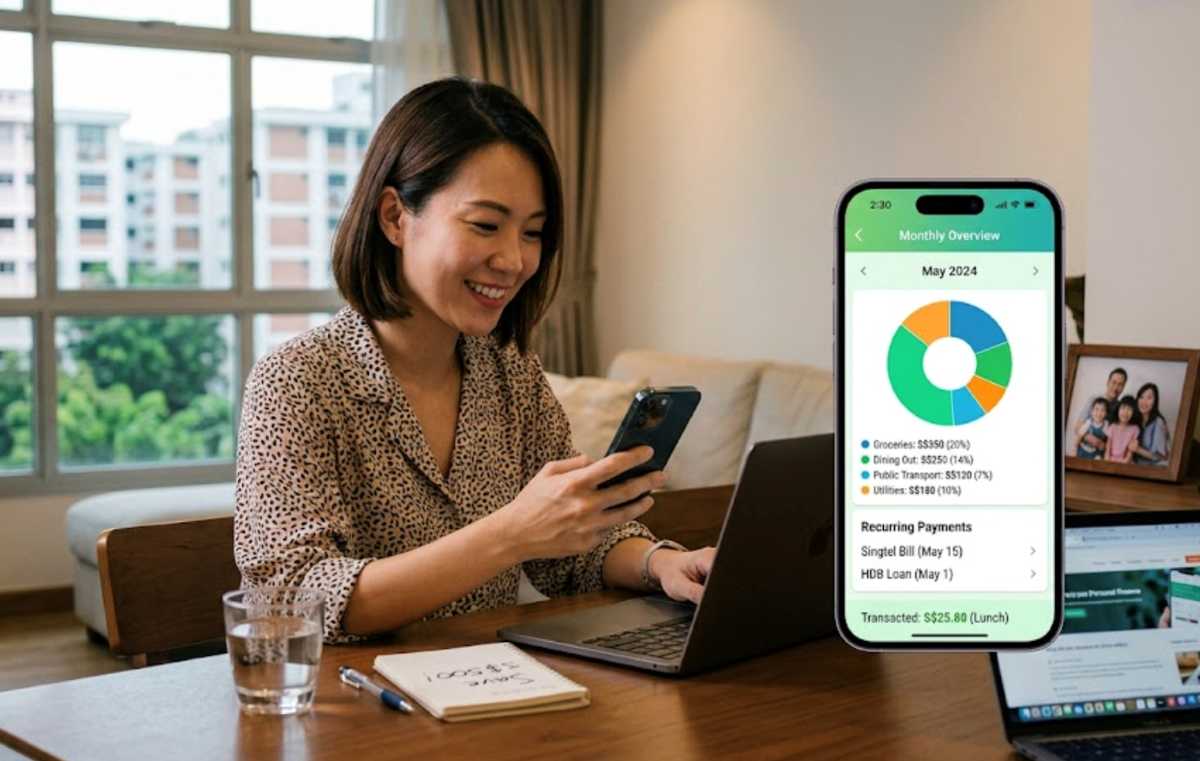
Technology can improve financial wellbeing when consumers use digital tools to increase visibility, structure, and discipline. In Singapore’s digital banking environment regulated by the Monetary Authority of Singapore, financial apps and dashboards can help users track spending patterns and make more informed decisions.
Digital banking apps, budgeting apps, and financial dashboards in Singapore can support better spending control through:
- Transaction alerts for real-time spending visibility.
- Spending categorisation for behavioural tracking.
- Budget monitoring for monthly control.
- Subscription detection to reduce recurring waste.
- Automated savings for consistency.
- Financial dashboards for long-term planning.
Financial visibility only becomes meaningful when it leads to behavioural change. Alerts, dashboards, and spending categories can show where money goes, but consumers still need to review the information and adjust their habits.
The rise of DIY financial planning in Singapore
DIY financial planning refers to consumers using digital tools, educational content, and comparison platforms to make more informed decisions about budgeting, investing, insurance, and retirement planning. Technology has expanded access to financial planning by giving consumers more ways to learn, compare, calculate, and act.
Consumers can now learn about personal finance through blogs, podcasts, YouTube channels, webinars, calculators, and financial comparison platforms. This access supports better financial awareness when consumers use credible information and apply it to their own goals.
DIY financial planning is directly linked to digital spending behaviour because better access to budgeting, investing, insurance, and retirement tools allows consumers to monitor how today’s spending affects future financial goals.
Investment and retirement tools
Digital investment platforms and robo-advisors have lowered the barriers to entry, enabling users to start investing with smaller amounts and access automated portfolio management.
Retirement calculators and financial dashboards further support long-term planning, helping individuals estimate future income needs, track their retirement progress, and identify savings gaps.
Together, these tools empower more people to take active control of their financial future without relying solely on traditional financial institutions.
Pro-tip: Ready to take the first step toward retirement planning? Use Planner Bee’s retirement calculator to estimate how much you need and map out how to get there.
Practical ways to build healthier digital spending habits
Healthy digital spending habits help consumers keep the convenience of technology while reducing the risk of overspending. These habits work best when they increase awareness before spending and create structure after income is received.
Consumers can build stronger digital spending habits by taking the following steps:
- Enable transaction alerts for real-time spending visibility.
- Automate savings after income receipt.
- Review subscriptions every three to six months.
- Apply a 24-hour delay for non-essential purchases.
- Track all BNPL commitments, not just instalments.
- Separate essential and discretionary spending.
- Conduct weekly expense reviews.
These actions create a clearer relationship between spending, saving, and long-term financial planning. Digital convenience does not need to weaken financial control when consumers use the same technology to monitor and manage their money.
Conclusion
Technology has neither made spending habits inherently better nor worse, it has made them more visible and more immediate. The same systems that enable impulse purchases also provide the data and tools needed to course-correct. Whether the impact is positive or negative depends largely on how intentionally individuals choose to use what is available to them.
Small, deliberate decisions made today can have a meaningful impact on long-term financial stability. Awareness is the first step, action is what makes the difference.
Read more: How To Compare Miles vs Cashback for Everyday Spending
Frequently asked questions
How has technology changed spending habits in Singapore?
Technology has increased spending speed and convenience through digital payments, online shopping, and BNPL services. It has also reduced spending visibility and increased transaction frequency, which makes tracking expenses more important.
Does PayNow encourage overspending?
PayNow does not directly encourage overspending. However, instant transfers reduce friction, which can make spending feel less deliberate.
Is BNPL safe to use?
BNPL is safe when consumers use it for planned purchases and managed repayments responsibly. Risks arise when multiple instalment plans accumulate and reduce financial flexibility.
How can budgeting apps help?
Budgeting apps improve financial control by providing real-time tracking, spending categorisation, alerts, and budget monitoring. These features help consumers identify patterns and adjust their habits.
What are healthy digital spending habits?
Healthy digital spending habits include tracking expenses, limiting impulse purchases, monitoring subscriptions, automating savings, and managing BNPL commitments. These habits help consumers keep digital convenience without losing financial awareness.