
Planning for a critical illness is not just about healthcare, it is about protecting your income, savings, and long-term financial stability. This guide explains how to prepare financially so you can stay resilient even if your ability to work is affected.
Key takeaways
- Critical illness creates both medical and income-related financial strain.
- Most Singaporeans face a significant protection gap in critical illness coverage.
- Hospitalisation plans cover treatment costs but not income replacement.
- Critical illness insurance provides lump-sum payouts for financial flexibility.
- Coverage should reflect income, liabilities, and dependents.
Understanding the financial impact of critical illness in Singapore
Critical illnesses such as cancer remain a major concern in Singapore. One in four Singapore residents will develop cancer by age 75, highlighting how common the risk is. While early detection improves outcomes, it does not remove the financial impact.
Certain cancers are more prevalent locally based on Singapore Cancer Society data from 2019 to 2023. Among men, prostate cancer is the most common, accounting for 18.0% of cases. Among women is breast cancer, making up 29.9% of cases.
Cancer no longer affects only older adults. Incidence rates are rising faster among younger individuals, especially those under 50. This trend places financial pressure on individuals during their peak earning years.
A diagnosis affects more than medical costs. Many patients lose income during treatment and recovery while their daily expenses continue. The Life Insurance Association (LIA) estimates a 74% shortfall in CI coverage, which means many individuals cannot fully support their financial obligations if they stop working.
Would your finances survive if you could not work for a year or more? For many households in Singapore, the answer remains uncertain.
Cost of critical illness in Singapore

The financial impact of CI in Singapore goes beyond medical bills.
Direct costs include hospitalisation, surgery, specialist consultations, and medication. While MediShield Life and Integrated Shield Plans help cover part of these expenses, out-of-pocket costs remain. A Manulife study found that patients spent an average of about S$32,000 on treatment, even with insurance.
Indirect costs often create the greatest strain. Loss of income during recovery can significantly affect household finances. The same study shows that:
- One in four patients borrowed money or remortgaged their homes.
- One in three used up most or all of their savings.
- One in 10 declared bankruptcy.
Additional lifestyle-related costs further increase the burden. These include rehabilitation, caregiving, and home adjustments. Longer-term impacts are also common:
- 22% were unable to care for their dependents.
- 14% were concerned about needing to quit or change jobs.
- Three in four developed stress-related conditions.
These findings show that CI affects not just healthcare expenses, but also income, family responsibilities, and long-term financial stability.
Plans that cover CI costs in Singapore
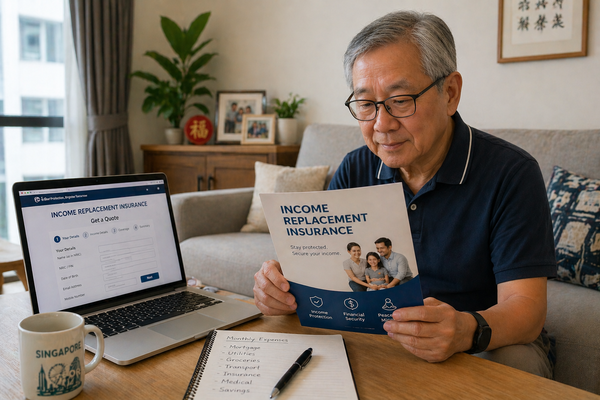
Singapore’s healthcare system provides strong foundational coverage, but most schemes are designed to address medical expenses rather than income disruption.
The following plans in Singapore primarily cover treatment-related expenses:
- MediShield Life: A basic national health insurance scheme by the Ministry of Health that covers large hospital bills and selected outpatient treatments, mainly in public hospital wards (B2/C class).
- Integrated Shield Plans (IPs): Private insurance plans that enhance MediShield Life by covering higher ward classes (A/B1) or private hospitals, as well as providing greater choice of doctors.
Some plans offer partial income protection, but coverage is often limited:
- Critical illness coverage from term life or whole life plan: Provides lump-sum payouts upon diagnosis of covered conditions.
- CareShield Life: Provides monthly payouts for severe disability but does not address short-term income loss.
- Employer group insurance: Group term life policies may provide payouts equivalent to approximately 12 months of income, but this varies by employer and is often insufficient for long-term recovery.
Most existing plans focus on reimbursing medical bills rather than replacing lost income. This creates a protection gap during recovery.
How reliable is employer insurance coverage in Singapore?
Employer-provided benefits offer short-term support but are not designed for prolonged illness scenarios.
Coverage duration is limited and often insufficient for full recovery from critical illnesses, which may take several years. Medical leave entitlements and insurance payouts are typically capped.
According to the Ministry of Manpower (MOM), employers should treat employees fairly during illness. However, employment may still be terminated if an individual is medically unable to continue working or if prolonged absence affects business operations.
This creates uncertainty for individuals who rely solely on employer benefits.
What does CI insurance cover in Singapore?
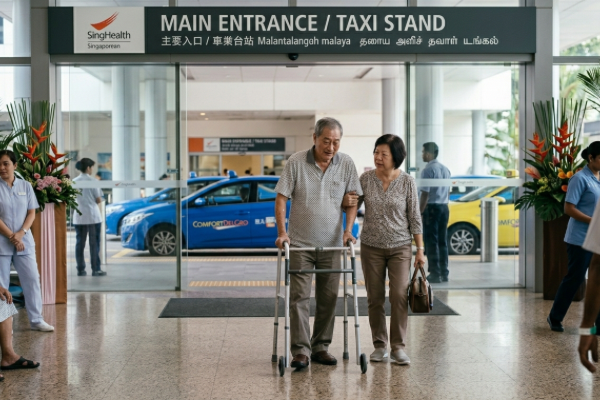
Critical illness insurance addresses the financial gap between medical cost coverage and income protection.
1. Lump-sum payout upon diagnosis
Critical illness insurance provides a lump-sum payout once a covered condition is diagnosed. This payout is not tied to medical bills and is disbursed directly to the policyholder.
The lump-sum payout from CI insurance can be allocated across key financial needs, including:
- Income replacement during recovery
- Daily household expenses
- Rehabilitation and treatment-related costs
- Financial support for dependents
2. Early vs late-stage coverage
- Early critical illness (ECI): Provides payouts at early or intermediate stages.
- Standard CI: Provides payouts at severe stages as defined by LIA.
Early-stage coverage provides financial support sooner, when treatment begins and income may already be affected.
3. How CI insurance complements hospitalisation plans
Critical illness insurance complements hospitalisation plans by addressing income loss. Hospitalisation plans cover treatment costs, while CI insurance supports financial stability during recovery.
How much CI coverage do you need?
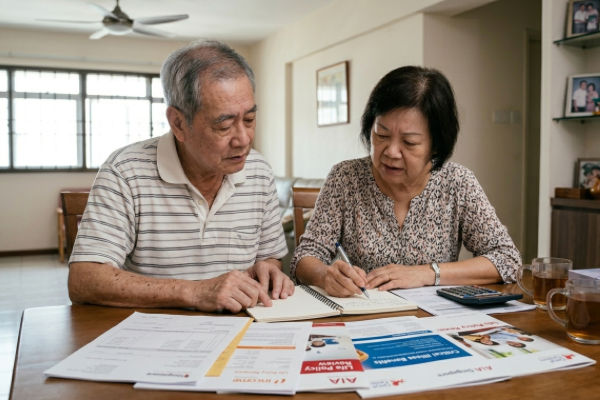
Determining adequate coverage requires evaluating financial responsibilities and potential recovery duration. The following financial factors determine appropriate coverage levels:
- Income and lifestyle: Coverage should replace lost income and maintain living standards.
- Dependents: Financial responsibilities increase with dependents.
- Existing savings: Savings provide short-term support but may not sustain long-term recovery.
- Outstanding liabilities: Mortgage and loan repayments must continue despite income loss.
According to the LIA Protection Gap Study, Singaporeans face an average 91% shortfall in CI coverage, highlighting the need for adequate protection.
Recommended CI coverage in Singapore
- Early CI: Coverage is typically set at one to two years of income, as recovery periods are usually shorter.
- Critical illness: Coverage is commonly set at three to five years of income to account for prolonged recovery or career disruption.
Instead of estimating manually, you can get a more personalised figure based on your income, expenses, and financial commitments. Use Planner Bee’s insurance calculator to find out how much CI coverage you need in minutes.
Common CI insurance mistakes to avoid
Many individuals underestimate the financial impact of CI or rely on incomplete protection strategies.
- Relying only on hospitalisation plans: These plans cover medical bills but do not provide income replacement.
- Assuming employer benefits are sufficient: Employer coverage is temporary and limited in scope.
- Underestimating recovery time after illness: Recovery can take several years, not just months.
- Delaying buying CI insurance: Premiums increase with age, and pre-existing conditions may lead to exclusions.
Avoiding these mistakes ensures stronger financial resilience during unexpected health events.
What should you do to prepare for CI financially?

Start by reviewing your current financial position today. Calculate how many months of expenses your savings can realistically cover and identify any shortfall if your income stops.
Next, assess your existing insurance coverage. Check whether your hospitalisation plan is complemented by CI protection that provides sufficient income replacement, not just medical reimbursement.
Then, align your coverage with your financial responsibilities. Ensure your plan accounts for fixed commitments such as mortgage repayments, daily household expenses, and the needs of your dependents.
Finally, take action early while you are still healthy. Securing coverage now allows you to lock in lower premiums and avoid exclusions that may arise from future health conditions.