PokéInvesting refers to the practice of buying, holding, and trading Pokémon cards with the goal of generating profit from long-term appreciation or resale opportunities. What started as a nostalgic childhood hobby has evolved into a global collectables market worth millions of dollars.
Today, Pokémon Trading Card Game (TCG) products are discussed alongside alternative assets such as sneakers, luxury watches, and cryptocurrency. Rare cards, graded collectibles, and sealed products have attracted growing interest from collectors and speculative investors worldwide.
Key takeaways
- PokéInvesting involves buying and holding Pokémon cards for potential long-term profit.
- Pokémon card values depend heavily on rarity, condition, demand, and cultural significance.
- PSA-graded cards and limited promotional releases typically achieve the highest valuations.
- PokéInvesting carries risks, including fake cards, resealed products, and price volatility.
- Most beginners experience moderate gains rather than instant profits.
- Pokémon cards should be treated as speculative collectables instead of guaranteed investments.
What is PokéInvesting?
The Pokémon Trading Card Game (TCG) community generally consists of four main consumer groups. Understanding these groups helps explain how PokéInvesting developed into a global collectables market.
- Players: Players primarily enjoy the Pokémon card game itself. Card condition and long-term value usually matter less than gameplay functionality.
- Collectors: Collectors purchase cards for nostalgia, artwork, favourite Pokémon, or personal enjoyment. Financial return is often secondary.
- Scalpers: Scalpers focus on short-term resale opportunities. They buy products during retail launches and resell them during periods of strong demand or hype.
- Long-term holders: Long-term holders treat Pokémon products as appreciating collectables and keep them for years in anticipation of higher future values.
Many individuals overlap across multiple categories. A player may also collect cards, while a collector may occasionally resell valuable items.
PokéInvesting mainly involves collectors, scalpers, and long-term holders who purchase Pokémon products with investment potential in mind. Several market factors contributed to the rapid growth of PokéInvesting in recent years:
- Nostalgia among millennials and Gen Z collectors.
- The long-term global popularity of the Pokémon franchise.
- Celebrity collectors publicly showcasing expensive collections.
- Limited print runs and exclusive promotional releases.
- Increased social media exposure around rare card sales.
PokéInvesting remains a speculative market that experiences price swings, hype cycles, and fluctuating demand.
Why are Pokémon cards valuable?
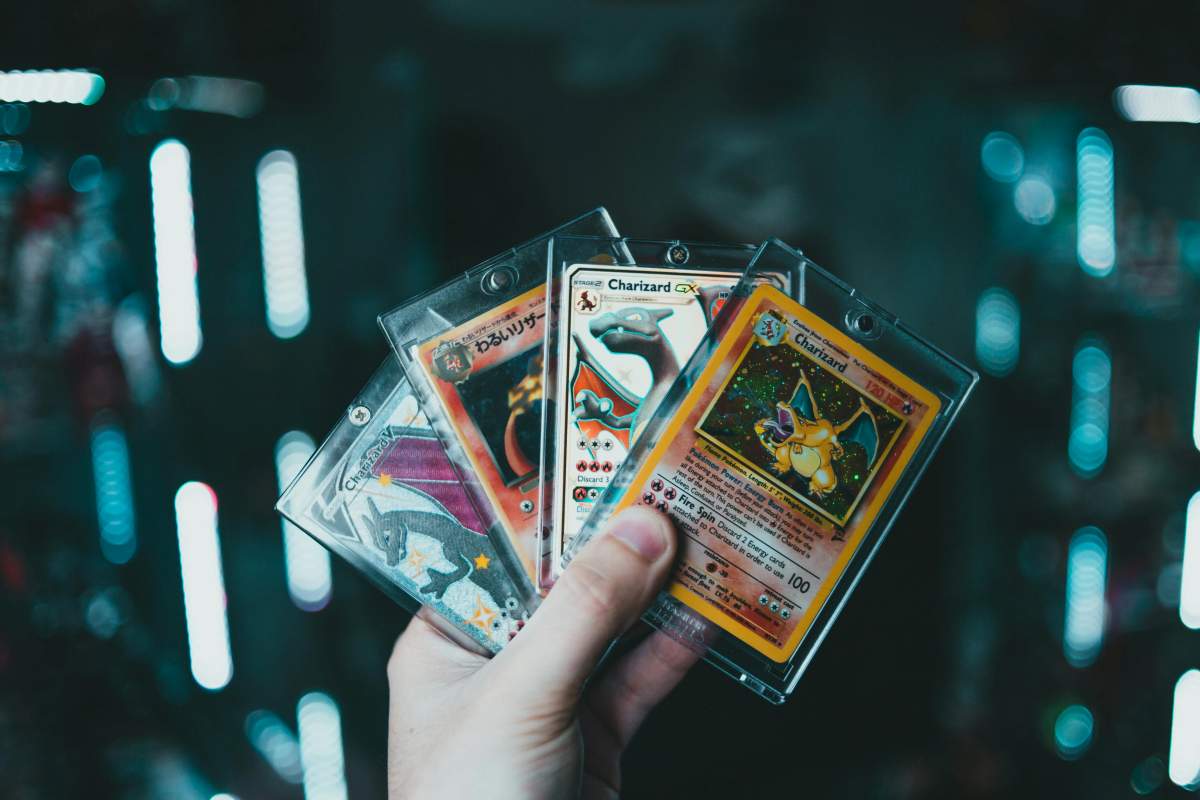
Pokémon card prices are primarily influenced by scarcity, demand, condition, and historical significance. Not every Pokémon card becomes valuable, even within popular sets.
Three major factors typically drive high Pokémon card prices:
- Limited print runs: Cards from limited releases, tournaments, anniversaries, or regional promotions become harder to obtain over time, increasing scarcity.
- Discontinued products: Older sealed products and vintage sets become increasingly difficult to find as unopened supply declines.
- Professional grading: Cards graded Professional Sports Authenticator (PSA) 10 (Gem Mint) command premium prices because grading confirms exceptional condition, centring, and print quality.
One of the most expensive Pokémon cards ever sold was the PSA 10 Pikachu Illustrator (1998 Japanese Promo), purchased by Logan Paul for approximately US$16.49 million at Goldin Auctions in February 2026.
The card achieved its record-breaking value partly because it is the only PSA 10 copy known to exist among approximately 39 authenticated copies, making it exceptionally scarce within the collector market.
Logan Paul originally acquired the card in July 2021 through a private transaction involving US$4 million in cash alongside a PSA 9 version of the same card valued at US$1.275 million.
The sale demonstrated how rarity, grading, and celebrity attention can significantly influence Pokémon card prices.
Types of Pokémon cards
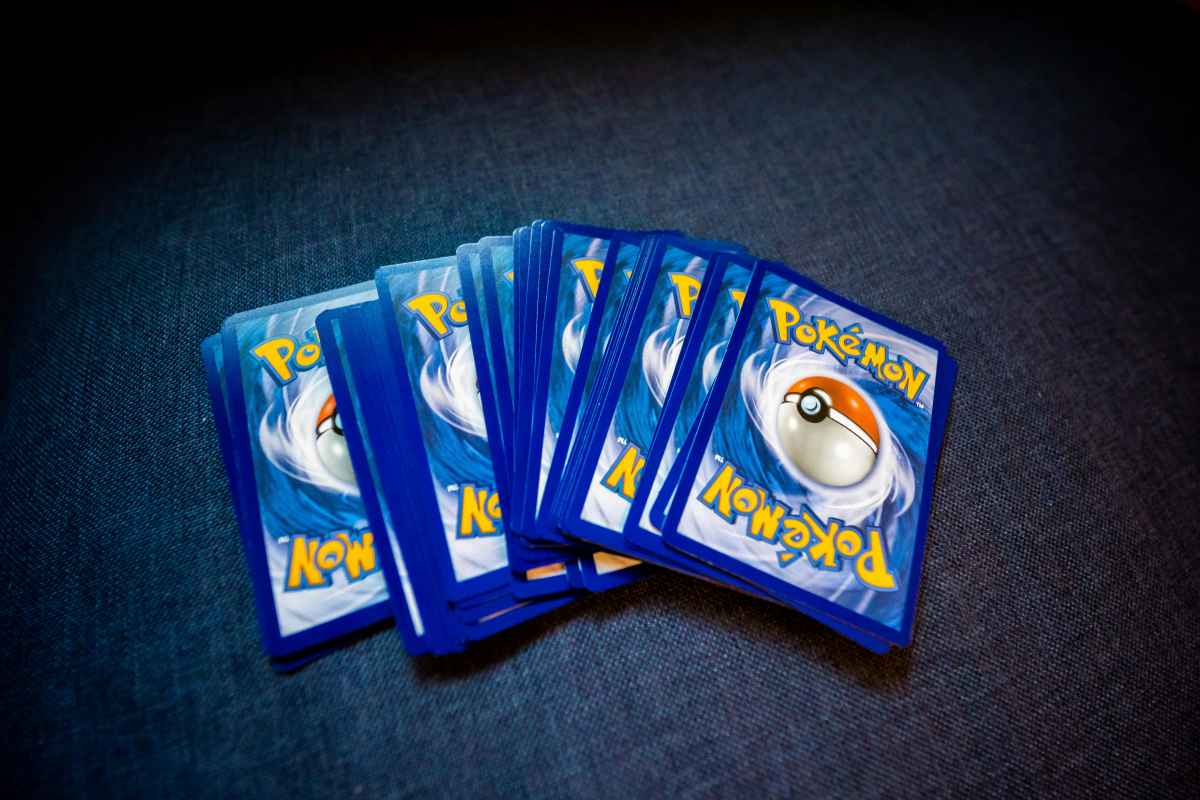
Pokémon cards are categorised by rarity tiers, which directly influence collectability, market demand, and resale value. Understanding rarity classifications helps beginners evaluate which cards are more likely to hold long-term value.
| Pokémon card rarity | Description | Key features |
| Common / uncommon / rare | The most widely available Pokémon cards found in regular booster packs |
|
| Double rare | Cards that typically feature stronger Pokémon ex and Tera Pokémon ex characters |
|
| Ultra rare | Premium full-art versions of Pokémon ex and Supporter cards |
|
| Illustration rare | Full-art cards focused heavily on artistic design and character storytelling |
|
| Special illustration rare | Highly desirable alternate-art versions of Pokémon ex or Supporter cards |
|
| Hyper rare | Premium gold foil collectible cards from modern Pokémon sets |
|
A notable example is Umbreon VMAX #215 from Pokémon Evolving Skies. Ungraded copies sell for approximately US$2,000, while PSA 10 copies can reach nearly US$4,500.
Pokémon cards vs traditional investments
Pokémon cards combine emotional collecting with speculative investing, making them fundamentally different from traditional financial assets.
| Pros | Cons | |
| PokéInvesting | Tangible assets, nostalgia value, strong collector community | Illiquid, speculative, volatile |
| Stocks | Regulated markets, liquidity, long-term growth potential | Market volatility, research required |
| Cryptocurrency | High upside potential, active trading opportunities | Extreme volatility, high transaction fees |
| Real estate | Stable long-term asset class | High upfront capital requirements |
Traditional investments such as stocks and real estate are generally more regulated and predictable. Pokémon cards rely more heavily on collector sentiment, rarity, and market trends.
Read more: How To Invest in a Market at All-Time Highs
Singapore’s PokéInvesting market
Singapore’s Pokémon TCG market has grown rapidly through card conventions, online marketplaces, and dedicated hobby communities.
Most collectors purchase booster boxes through platforms such as Carousell, Lazada, Telegram groups, and Facebook communities. The official Pokémon Singapore store on Lazada remains one of the most trusted places to purchase products at Manufacturer’s Suggested Retail Price (MSRP). However, products are often released through random drops to reduce hoarding and scalping.
Many Singapore collectors also purchase products from Japanese Pokémon Centres while travelling or source Chinese booster boxes through Taobao. English Pokémon cards generally command higher long-term prices because they have stronger global demand and larger international buyer pools compared to Japanese and Chinese versions.
The pricing differences can be seen through the Bubble Mew artwork across different languages:
- Mew ex #232 from Pokémon Paldean Fates (English version) sells for approximately US$850 ungraded, while PSA 10 copies can reach around US$2,920.
- Mew ex #347 (Japanese version) is valued at approximately US$473 ungraded and around US$969 in PSA 10 condition.
- Mew ex #191 (Chinese version) sells for approximately US$178 ungraded, with PSA 10 copies reaching roughly US$425.
These price differences demonstrate how global demand directly affects long-term collectable value.
Read more: What Beginner Investors Should Know Before Getting Started
How to start PokéInvesting?

Source: Pokémon Trading Card Game (TCG)
Beginners entering PokéInvesting should focus on budgeting, market research, and authenticity verification before making purchases.
1. Check your old collection
Older Pokémon cards may hold significant value, especially vintage Base Set First Edition cards. For example, Charizard #4 from Base Set First Edition can sell for approximately US$5,750 ungraded, while PSA 10 copies have sold for over US$534,000.
2. Set a realistic budget
Pokémon cards remain speculative assets. Only use money you can afford to lose.
3. Learn market trends
Understanding set popularity, rarity, and historical pricing trends helps reduce impulsive purchases. Popular tools include PriceCharting, Collectr, and eBay sold listings. These platforms help collectors track real transaction prices rather than speculative listings.
4. Buy from reputable sellers
Fake Pokémon cards have become increasingly sophisticated. Always verify the texture quality, print clarity, colour accuracy, and seller reputation. If a deal appears unusually cheap, authenticity should be questioned carefully.
5. Sell during strong demand cycles
Many investors maximise returns during anniversaries, product shortages, or periods of renewed popularity. Panic selling during short-term market dips often results in avoidable losses.
Risks in PokéInvesting
PokéInvesting carries several risks that beginners should understand before entering the market.
1. Fake cards
High-quality counterfeit cards are widespread within the Pokémon TCG market. Even experienced collectors can struggle to identify sophisticated fakes.
2. Resealed booster boxes
Some sellers manipulate sealed products by weighing booster packs to identify heavier packs that may contain valuable cards. After replacing valuable packs, the products are resealed and sold as unopened boxes.
To reduce scalping and tampering, Singapore’s official Pokémon Centre Lazada store automatically unseals all booster box products before delivery.
3. Humidity damage
Singapore’s humid climate can damage card conditions over time. Long-term preservation is critical because condition directly impacts resale value. Collectors commonly use sleeves, top loaders, storage boxes, silica gel packs, and dehumidifiers.
4. Opportunity cost
Money tied up in Pokémon cards cannot be invested elsewhere. Traditional investments such as index funds and diversified stock portfolios may offer more stable long-term returns with lower maintenance requirements.
Read more: Avoiding Investment Scams: Red Flags To Watch Out For
Is PokéInvesting actually profitable?
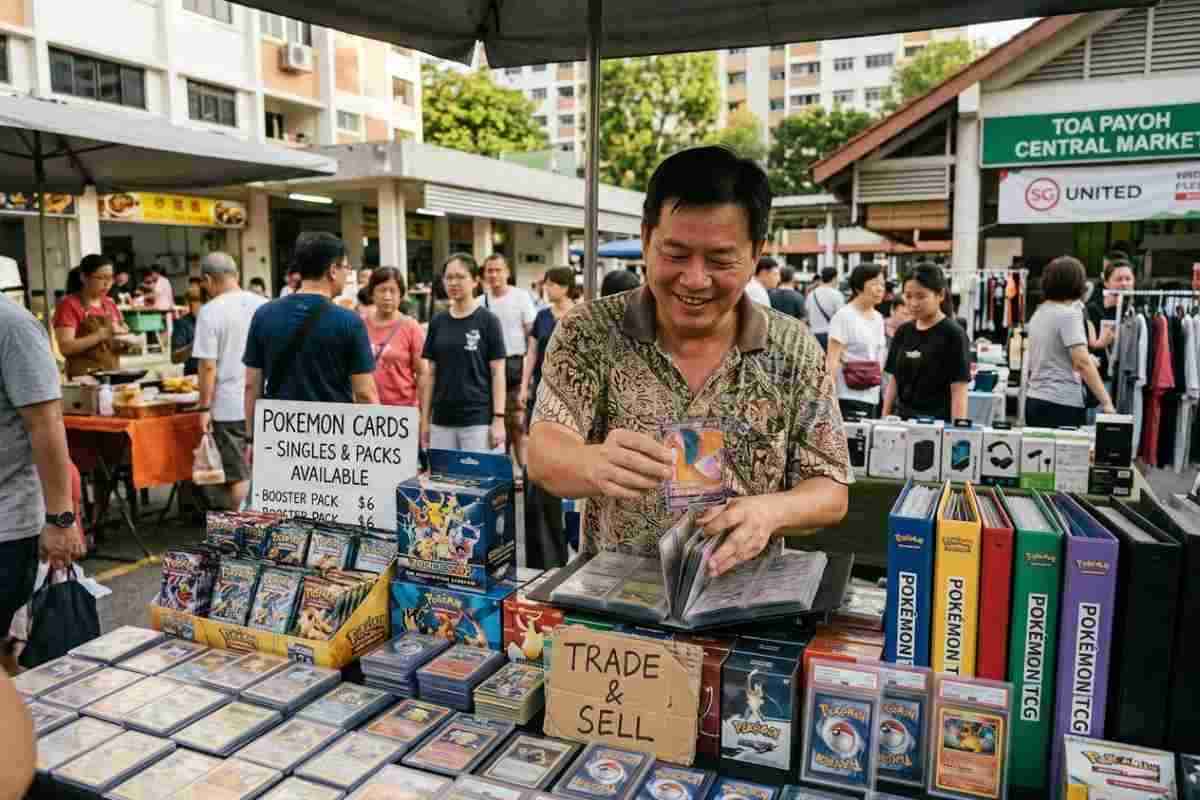
PokéInvesting can be profitable, but returns are often inconsistent and heavily exaggerated online.
Most casual investors experience:
- Small profits
- Break-even results
- Occasional losses
Certain products have historically outperformed traditional assets, particularly:
- Vintage sealed booster boxes
- Rare promotional cards
- Iconic PSA-graded cards
However, many of these products already carry extremely high entry costs today.
Modern Pokémon sets also face different market conditions compared to vintage products:
- Modern print volumes are significantly larger
- Hype cycles fade quickly
- Overprinted sets often stagnate in value
Most beginners should expect gradual appreciation over many years rather than rapid profits.
Who is suitable for PokéInvesting?

PokéInvesting is generally more suitable for collectors and hobbyists who already enjoy the Pokémon franchise.
Suitable audiences include:
- Pokémon collectors
- Long-term hobby investors
- Collectables enthusiasts
- Investors comfortable with speculative markets
PokéInvesting is generally less suitable for individuals who:
- Require guaranteed returns
- Need immediate liquidity
- Prefer low-volatility investments
- Expect passive income
Understanding these limitations helps prevent unrealistic financial expectations.
Conclusion
PokéInvesting in 2026 exists somewhere between hobby collecting and speculative investing. Long-term success usually depends on patience, product knowledge, disciplined spending, and realistic expectations.
Collectors who genuinely enjoy Pokémon often make better long-term decisions because they are less influenced by short-term hype cycles and panic selling.
For most beginners, Pokémon cards work best as a collectable hobby with investment potential rather than a primary financial strategy.
Read more: How To Turn Impulse Buys Into Smart Investments
Frequently asked questions
Is PokéInvesting profitable in 2026?
PokéInvesting can be profitable, but returns vary significantly depending on the cards purchased, market timing, and long-term demand. Most casual collectors experience moderate gains rather than guaranteed profits.
Which Pokémon cards are worth investing in?
Collectors and investors usually focus on vintage cards, PSA 10 graded cards, limited promotional releases, special illustration rare cards, and sealed booster boxes. Cards with strong nostalgia value and limited supply generally hold value better over time.
Are Pokémon cards a good investment compared to stocks?
Pokémon cards are considered speculative collectables rather than traditional investments. Unlike stocks, Pokémon cards are not regulated financial assets and can be less liquid. However, rare cards may appreciate significantly due to collector demand and scarcity.
Are Japanese Pokémon cards worth less than English cards?
Japanese Pokémon cards are often cheaper than English versions because English cards have stronger global demand and a larger international collector market. However, some Japanese-exclusive cards can still become highly valuable.
How much money do you need to start PokéInvesting?
Beginners can start with a small budget by focusing on affordable singles or booster packs. Many collectors begin with under S$100 before gradually expanding their collections.