When Channel NewsAsia profiled Singaporean Colin Lau, who retired at 35, his story attracted attention. Retiring decades before the official retirement age can seem out of reach in a city with a high cost of living.
His experience highlights an important point for anyone asking how much to retire in Singapore. There is no single retirement number that works for everyone. The amount you need depends on your expenses, lifestyle and how much financial flexibility you want.
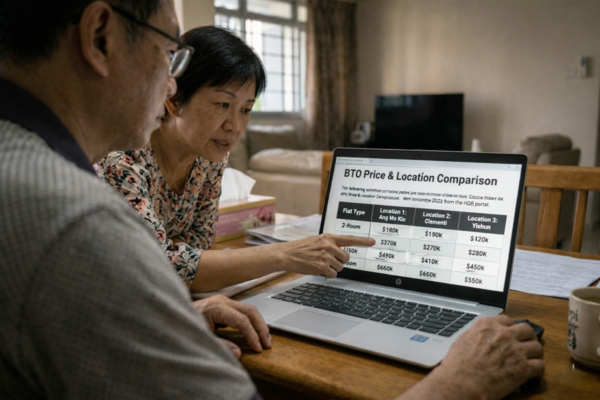
Much of the discussion around Lau’s story centred on one detail. He bought his HDB flat for S$87,000 many years ago, a price that young homebuyers today are unlikely to replicate. That advantage matters, but the price of his flat is only part of the story.
Most Singaporeans may not be able to buy property at 1990s prices or achieve early retirement in Singapore in their 30s. The principles behind Lau’s approach are still relevant to anyone pursuing financial independence in Singapore. He kept fixed expenses low, avoided unnecessary lifestyle inflation, understood how much money he needed and prioritised financial freedom over continual consumption.
Whether you want to retire early in Singapore, reduce financial stress or simply have more choices later in life, these principles can support more deliberate retirement planning in Singapore.
Key takeaways
- Financial independence is about having enough resources to support your lifestyle, rather than accumulating the highest possible net worth.
- Major expenses such as housing can have a greater effect on your long-term finances than small daily purchases.
- Defining what “enough” looks like for you can reduce the amount needed to support your desired retirement lifestyle.
- CPF, investments, cash savings and flexible income sources can work together instead of relying on one large investment portfolio.
- Lifestyle inflation in Singapore can delay financial independence when expenses keep rising with income.
- Retirement planning can focus on creating enough financial flexibility to make work optional rather than stopping work altogether.
1. Optimise housing when planning how much to retire in Singapore
Housing is one of the largest expenses for many Singaporean households. Mortgage repayments can affect your finances for decades, so housing choices play an important role in determining how much to retire in Singapore.
Lau’s S$87,000 HDB purchase price may be impossible for today’s homebuyers to replicate, but the principle behind it still applies. Keeping housing costs manageable leaves more money available for savings, investments and other financial priorities.
That could mean buying a home comfortably within your budget instead of stretching for the largest possible loan, choosing a location that offers better value, or paying down your mortgage earlier when it makes financial sense.
The aim is not necessarily to spend as little as possible. It is to avoid becoming “house rich but cash poor”, with too much income committed to servicing your home. Money tied up in housing cannot simultaneously be invested, saved or used to build financial flexibility elsewhere.
2. Focus on $500 decisions before $5 savings
Large recurring expenses can have a much greater effect on long-term cash flow than small daily purchases. They deserve attention when you are working towards financial independence.
Personal finance discussions often focus on brewing coffee at home, skipping bubble tea or cancelling a streaming subscription. Those savings can add up, but they may be small compared with the effect of bigger recurring commitments.
A more expensive car, larger mortgage, insurance you do not need or costly monthly subscriptions can add hundreds or even thousands of dollars to your expenses each month. That directly affects how much money you have left to save and invest.
Before spending too much effort trimming small daily expenses, look at the major commitments affecting your monthly cash flow. Optimising one large recurring expense can have a substantial long-term impact.
3. Calculate your retirement number instead of chasing S$1 million
Your retirement target should reflect the lifestyle you expect to fund. That makes it more useful than treating S$1 million as a universal retirement benchmark.
Someone who plans to travel extensively or support family members may need substantially more than someone who intends to live simply. There is no single magic number that applies to both.
To estimate how much to retire in Singapore, start with how much you expect to spend each month in retirement. Use that to estimate your annual retirement expenses, then work backwards to determine the savings and investments needed to support your lifestyle.
The same idea sits at the heart of FIRE in Singapore, or the Financial Independence, Retire Early movement. You first understand what your lifestyle costs, then work towards building enough financial resources to support it.
Want to estimate your retirement number? Use Planner Bee’s retirement calculator to work out how much you may need based on your retirement goals and financial situation.
Read more: Is S$1 Million Enough To Retire Comfortably in Singapore?
4. Build financial flexibility before increasing luxury spending

Financial independence is valuable because it gives you options, not just because it could allow you to stop working early. Building financial resilience before increasing lifestyle spending can give you more room to adapt when circumstances change.
An emergency fund, manageable debt and sustainable financial commitments can provide a stronger foundation for how to retire early in Singapore than focusing only on building a large investment portfolio.
Flexibility is not limited to the money you have saved. Valuable skills, continued employability and multiple sources of income can also make career changes easier to manage.
With enough financial breathing room, losing a job or choosing a different career can become less daunting. Financial independence can therefore give you greater control over your working life long before you formally retire.
5. Let CPF support your retirement planning Singapore strategy
CPF already provides Singaporeans with a foundation for retirement. Understanding where it fits can help you work out how much additional savings and investment you may need.
CPF savings support retirement through mandatory contributions, long-term interest rates and lifelong payouts under CPF LIFE. Instead of viewing CPF solely as money that is locked away, it can form the lower-risk foundation of a broader retirement strategy.
CPF alone may not necessarily fund your preferred retirement lifestyle. Personal investments, cash savings and other assets can still play an important role.
These resources are better viewed together. CPF can provide part of your retirement foundation, while personal savings and investments add flexibility. Looking at the full picture gives you a clearer view of the resources available for retirement.
Read more: Preparing For Retirement: How to Maximise Your CPF Savings
6. Manage lifestyle inflation in Singapore as your income grows

Lifestyle inflation happens when spending rises along with income. If that pattern continues unchecked, earning more may not translate into saving or investing more.
For many professionals, salary increases are quickly absorbed by a larger home, newer car, more expensive holidays or higher day-to-day spending.
Enjoying the rewards of career success is not the issue. The problem starts when every pay increase permanently raises your cost of living.
One way to manage this is to save or invest part of each salary increment before increasing your spending. Your wealth then has an opportunity to grow alongside your income rather than having every increase absorbed by higher expenses.
Managing lifestyle inflation in Singapore also matters when calculating your retirement target. The more it costs to maintain your lifestyle, the more resources you generally need to sustain it once you stop relying on employment income.
Read more: Understanding Lifestyle Creep and How to Break Free
7. Aim to make work optional rather than never working again
Financial independence does not have to mean never working again. For many people, its real value is having more control over how, when and why they work.
You might stay in your current career because you enjoy it. You could move into a lower-paying but more meaningful role, start a business, reduce your working hours or take an extended break without the same pressure to meet monthly expenses.
This distinction matters when thinking about financial independence in Singapore and early retirement in Singapore. Retirement does not have to mean permanently leaving the workforce. It can mean reaching a point where employment income no longer determines every financial decision you make.
For people exploring how to retire early in Singapore, making work optional may be a more practical goal than choosing a specific age at which work must stop completely.
Read more: FIRE in Singapore While Managing Rising Living Expenses
Conclusion
Colin Lau’s experience shows that how much to retire in Singapore is ultimately personal. Your housing costs, spending, CPF savings, investments and desired lifestyle all shape the amount you need.
Few Singaporeans will have the same circumstances or the benefit of buying an HDB flat at 1990s prices. What is more widely applicable is the ability to keep major expenses manageable, understand what “enough” means for you and build financial flexibility over time.
Retiring at 35 may not be the goal. Having enough freedom to make work a choice can be just as meaningful for retirement planning in Singapore.
Frequently asked questions
How much money do I need to retire in Singapore?
There is no universal amount for how much to retire in Singapore. Your target depends on your expected expenses, lifestyle, CPF savings, investments and other available assets or income sources.
Is S$1 million enough to retire in Singapore?
S$1 million may be enough for some people and insufficient for others because spending needs and retirement goals differ. Estimating your expected annual expenses gives you a more relevant starting point.
What is financial independence in Singapore?
Financial independence in Singapore generally means having enough financial resources to support your lifestyle without relying entirely on employment income. It can give you more freedom over whether, when and how much you work.
Can I retire early in Singapore?
It may be possible to retire early in Singapore if your savings, CPF, investments and other resources can sustainably support your expenses. When that becomes possible depends on your financial circumstances and desired lifestyle.
How can I retire early in Singapore?
For those considering how to retire early in Singapore, start by understanding your expected expenses, keeping major financial commitments manageable and building sufficient savings and investments. CPF and other retirement resources should also form part of the overall plan.
What is FIRE in Singapore?
FIRE in Singapore refers to the Financial Independence, Retire Early approach, which focuses on building enough financial resources to reduce or remove reliance on employment income. The amount required depends largely on the lifestyle and spending level you want to maintain.