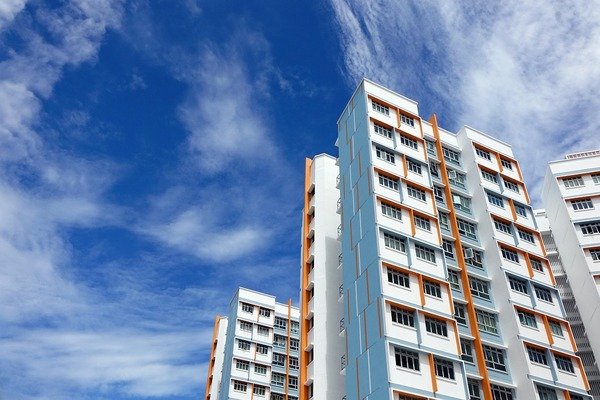

Many Singaporeans dream of upgrading to private property, but plenty also choose to stay in their HDB flats. Whether it’s for affordability, comfort, or personal values, remaining in public housing can seem like the sensible choice.
But what if holding on to your HDB flat for too long is quietly costing you money? Some people call this the “HDB loyalty tax”. It is not an actual tax, but the opportunity cost of keeping a public flat while private property prices rise faster.
In this article, we explore whether staying in your HDB flat could mean missing out financially, and when it might make sense to upgrade to a condominium.
What’s the “HDB Loyalty Tax”?
The “HDB Loyalty Tax” is not a formal tax levied by the government. Instead, it is a term used to describe the opportunity cost that some long-term HDB flat owners may face when they choose not to upgrade to a private condominium.
In Singapore’s property market, condos tend to appreciate in value faster and are often seen as more desirable. Because of this, some believe that holding on to an HDB flat could mean missing out on potential gains, possibly amounting to hundreds of thousands of dollars over time.
So while you may save on monthly mortgage payments by staying in your HDB flat, you could also be giving up the chance to build more long-term wealth.
Understanding the Singapore property ladder
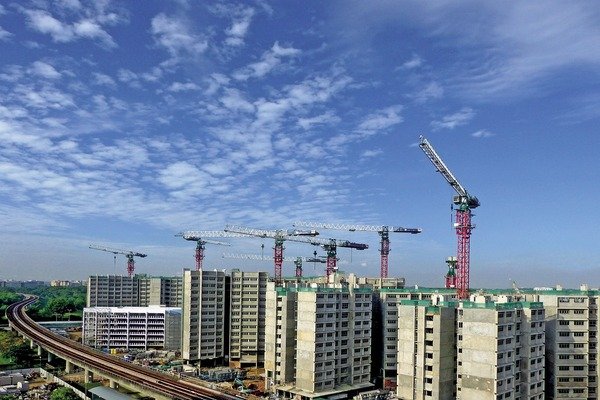
Singapore’s property ladder is structured to encourage homeowners to progress over time. For most Singaporeans, the journey begins with an HDB Build-To-Order (BTO) flat. With government subsidies and grants, BTO flats offer excellent value, especially for first-time buyers.
After fulfilling the 5-year Minimum Occupation Period (MOP), many Singaporeans start thinking about selling their flat and upgrading to a condominium. This decision is often driven by lifestyle goals, investment reasons, and even social expectations.
Private condominiums are much more expensive, but they are generally seen as assets that can appreciate in value. The main reason is scarcity. Unlike HDB flats, which come with 99-year leases and are regulated by government rules, private properties are limited in supply and can also be bought by foreigners. This drives up demand and, potentially, prices.
Capital gains: Condo vs HDB
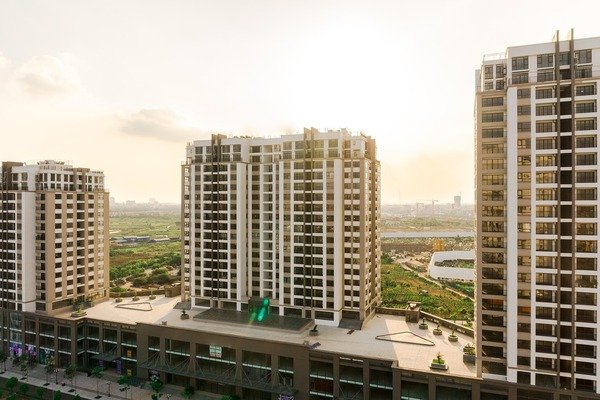
Let’s break it down with an example.
Imagine two couples who bought their homes. In 2015, one couple bought a 4-room resale flat in Punggol for around S$420,000. The other bought a small private 2-bedder condo in Sengkang for S$647,000. By 2023:
- The HDB flat might be worth about S$595,000
- The condo could have appreciated to S$980,000 or more.
This means the HDB flat gained around S$175,000 in value, while the condo saw gains of about S$333,000. That’s a significant difference, even after the condo owner paid more in interest, maintenance fees, and property tax.
In short, this is what some call the HDB Loyalty Tax. It is the “cost” of missing out on faster wealth growth by not moving into private property.
Read more: Downgrading from a Condo to a HDB? Here’s How to Navigate the 15-month Wait-Out Period
Pros and cons of upgrading to a condo
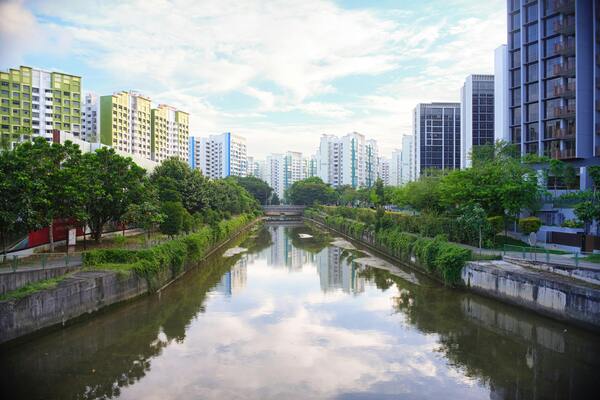
Upgrading to a condo can offer attractive benefits, but it is not always the right move for everyone. Here is a closer look at both the advantages and the trade-offs.
Advantages of upgrading to a condo
- Greater potential for long-term capital appreciation
- Opportunity to generate passive income through rental
- Access to lifestyle amenities and, in some cases, freehold tenure
- Higher leverage, allowing the property to serve as an investment tool
Trade-offs and hidden costs
- Much larger financial commitments such as mortgage payments, interest and maintenance fees
- Increased property taxes compared to HDB flats
- Reduced financial flexibility due to higher monthly expenses
- Risk of becoming asset-rich but cash-poor, which may reduce liquidity for other life needs
Financial “what-if”: Stay in your HDB or upgrade to a condo?
Imagine you own a fully paid-up HDB flat worth S$600,000. If you choose to sell it and buy a condo in the Outside Central Region (OCR) worth S$1.2 million, here’s a simplified 10-year projection to consider:
| Scenario | Remain in HDB | Upgrade to condo |
| Value after 10 years | S$778,000 | S$1,759,000 |
| Property appreciation | ~S$178,000 Assuming a 2.6% p.a. increment | ~S$559,000 Assuming a 3.9% p.a. increment |
| Monthly cost | Low (no loan) | ~S$3,558 (loan and fees) |
| Interest paid (over 10 years) | $0 | ~S$198,000 |
| Loan balance (after 10 years) | $0 | ~S$671,000 |
| Equity in property | S$778,000 | S$1,088,000 (S$1.759M – S$671K outstanding loan) |
| Equity growth | ~S$178,000 | ~S$660,958 (Appreciation – Interest & principal repaid) |
| Risk | Low | Medium to high |
Upgrading is, in essence, paying for potential growth. Staying in your HDB flat offers security and low overheads, which is ideal for peace of mind and financial stability. However, if your income is stable and you are able to handle the risks, moving to a condo could significantly boost your net worth over time.
Guiding questions to help you decide whether to upgrade or not

Ask yourself these key questions:
- Can you comfortably afford the monthly mortgage and set aside a buffer for possible interest rate increases?
- Will you stay in the condo for at least five to 10 years to ride out market cycles?
- Are you planning to rent out the condo in future to generate passive income?
- Is your HDB flat nearing the stage where its lease decay might affect its value?
If you answer “yes” to most of these, upgrading could help you build wealth, not just improve your lifestyle. But if you value stability, lower stress, and financial flexibility, staying in your HDB flat is still a sound and sensible choice.
Don’t feel pressured, but stay informed
Not everyone needs to upgrade.
Owning an HDB flat doesn’t automatically mean you are missing out, and upgrading does not guarantee wealth. The right choice depends on your own financial situation, risk appetite and long-term goals. It is better to make a decision based on what suits your life, rather than on what others are doing.
In the end, the best investment is one that brings both financial returns and peace of mind.
So no, loyalty to your HDB flat is not a “tax” unless you treat it as one.
Read more: The Complete Guide to Purchasing a New HDB Flat