DINK (dual-income, no-kids) couples in Singapore often enjoy greater financial flexibility than traditional households. With two incomes and fewer child-related expenses, many couples have greater capacity to travel, invest, upgrade their homes, and pursue financial independence.
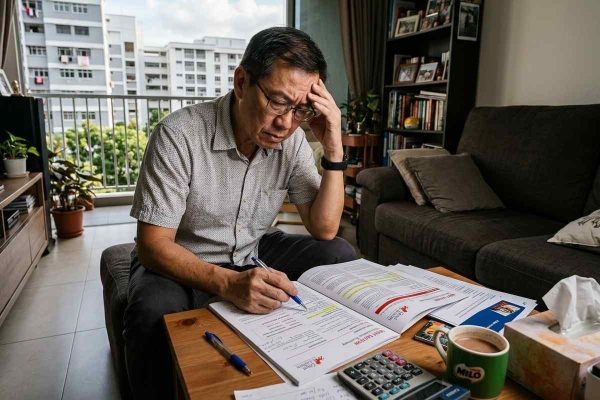
However, having no children does not eliminate financial risks. Many DINK households rely on both incomes to support their lifestyle, service housing loans, and build long-term retirement goals. If one partner experiences a serious illness, disability, or unexpected death, the financial impact can still be significant.
This article explains how much insurance coverage DINK couples may need, the key protection areas to consider, and how to build a protection strategy that supports long-term financial security.
Key takeaways
- DINK couples may not have children, but they can still face significant financial risks if one income is lost.
- Insurance needs should be based on financial commitments, lifestyle goals, and retirement plans rather than family size alone.
- Medical, critical illness, disability income, and life insurance are often key areas of protection for DINK households.
- The loss of one income can affect mortgage repayments, investments, CPF savings, and retirement goals.
- Regular insurance reviews can help ensure coverage remains aligned with changing financial circumstances.
Understanding the financial needs of DINK couples
A DINK household refers to a couple where both partners earn an income and do not have children. In Singapore, many DINK couples focus on building wealth, achieving financial independence, travelling, upgrading their homes, and preparing for retirement.
While DINK households generally avoid childcare and education expenses, they often have different financial priorities from families with children. Many rely on two incomes to support larger housing commitments, maintain a preferred lifestyle, and accelerate long-term financial goals. As a result, DINK couples often centre their insurance planning on protecting income and preserving financial flexibility.
How DINK households differ from families with children
DINK couples and families with children often allocate their financial resources differently. These differences influence savings priorities, retirement planning, and the types of financial risks each household faces.
The table below highlights some of the key financial planning differences between DINK households and families with children.
| Financial planning area | DINK couples | Families with children |
| Monthly expenses | More discretionary spending | Higher spending on childcare, education and family needs |
| Savings goals | Financial independence, lifestyle goals, early retirement | Education funding, family protection and retirement |
| Housing decisions | Often lifestyle or investment-driven | Often influenced by family size and school proximity |
| Investment priorities | Wealth accumulation and growth | Balancing growth with capital preservation |
| Retirement planning | May target earlier retirement | Often balances retirement with children’s future needs |
| Financial dependants | Usually limited to spouse and ageing parents | Spouse, children and sometimes ageing parents |
| Travel and lifestyle spending | Typically higher | Often constrained by family expenses |
Although DINK couples may have fewer dependants, they can still face significant financial disruption if one partner experiences a serious illness, disability, or unexpected death. Protecting household income remains a key consideration because many financial goals depend on both partners continuing to earn an income.
The role of CPF in a DINK couple’s protection strategy

CPF plays an important role in retirement planning for many Singaporeans. Regular CPF contributions help build retirement savings through the Ordinary Account, Special Account, and MediSave Account, while also supporting future CPF LIFE payouts.
For many DINK couples, retirement planning is a major financial goal. Some may aim to retire earlier than the national average or achieve financial independence through a combination of CPF savings and investments. These plans often depend on stable employment income and consistent CPF contributions over time.
If one partner experiences a prolonged illness or disability, the impact extends beyond the immediate loss of salary. CPF contributions may also decline during periods of reduced income or unemployment, which can affect long-term retirement adequacy.
This creates a direct relationship between insurance and retirement planning. Medical insurance, critical illness insurance, and disability income insurance help protect income during unexpected events, reducing the risk that retirement goals will be significantly delayed.
Read more: Practical Ways for Couples To Set Financial Goals Together
Insurance coverage DINK couples may need

DINK couples may not have children, but they often rely on two incomes to support their lifestyle, mortgage commitments, investments, and retirement goals. As a result, insurance planning is generally focused on protecting income, managing healthcare costs, and preserving long-term financial plans.
Medical and hospitalisation insurance
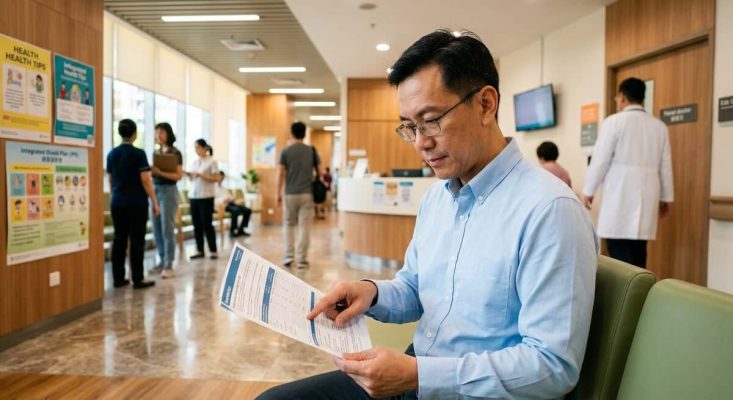
Medical insurance forms the foundation of most protection portfolios. MediShield Life provides basic protection against large hospital bills and selected outpatient treatments, while Integrated Shield Plans offer additional coverage for higher ward classes and private healthcare.
Adequate hospitalisation coverage can help prevent healthcare costs from disrupting savings, investments, or retirement plans.
Critical illness insurance
Critical illness insurance provides a lump-sum payout upon diagnosis of a covered condition such as cancer, heart attack, or stroke. Unlike hospitalisation insurance, the payout can be used for any purpose, including replacing income, paying household expenses, or funding recovery-related costs.
For DINK couples, critical illness insurance can help maintain financial stability if one partner needs to take an extended break from work.
Disability income insurance
Disability income insurance provides a monthly benefit if illness or injury prevents an individual from working. For households that depend on two incomes, this type of coverage can help replace a portion of lost earnings and maintain day-to-day financial commitments.
Life insurance
Life insurance provides a lump-sum payout if the insured person passes away. Although DINK couples may not have dependent children, many still share mortgage obligations, household expenses, and long-term financial plans.
Life insurance can help the surviving partner maintain financial stability and avoid major disruptions to their lifestyle or retirement goals.
Mortgage protection
Many DINK couples use their combined income to purchase private property or take on larger housing loans. Mortgage protection helps ensure that outstanding loan obligations remain manageable if one income is lost due to death, disability, or critical illness.
Personal accident insurance
Personal accident insurance provides additional financial support in the event of accidental injury, disability, or death. It can complement medical and disability coverage by addressing risks that may not be fully covered under other policies.
Read more: Want a DINK Life? What You Should Consider About Being Dual Income, No Kids After Marriage
Suggested coverage benchmarks for DINK couples
There is no universal coverage amount that suits every household. The appropriate level of protection depends on factors such as income, debts, mortgage commitments, lifestyle expenses, and retirement goals.
| Insurance | Suggested starting benchmark | Purpose |
| Life insurance | Outstanding mortgage + three to five years of income | Protects the surviving partner’s financial stability |
| Critical illness insurance | Two to five years of annual income | Supports recovery and income replacement |
| Disability income insurance | Monthly income replacement | Maintains cash flow if unable to work |
| Hospitalisation coverage | Based on preferred ward class and treatment choice | Reduces large medical expenses |
| Emergency savings | Six to 12 months of expenses | Provides short-term financial resilience |
These benchmarks serve only as starting points. Couples with larger mortgages, ambitious retirement goals, or significant investment commitments may require higher levels of protection.
Every DINK household has different financial commitments. A couple with a private property mortgage and plans for early retirement will often require a different level of coverage from a couple with fewer liabilities.
Pro-tip: Use Planner Bee’s insurance calculator to estimate your insurance needs based on your income, expenses, debts, and financial goals. This can help identify potential protection gaps and provide a more personalised assessment of how much coverage may be suitable for your situation.
Example scenario: How a serious illness can affect a DINK household

Consider a DINK couple earning a combined income of $15,000 per month with a private property mortgage and a goal of retiring at age 55. If one partner is diagnosed with a critical illness and cannot work for two years, the household may experience several financial consequences:
- Household income may fall significantly.
- Mortgage repayments may consume a larger share of monthly cash flow.
- Investment contributions may need to be reduced or paused.
- Retirement savings growth may slow.
- Travel and lifestyle spending may need to be scaled back.
- CPF contributions may decline during the recovery period.
This example illustrates why many DINK couples prioritise income protection, critical illness insurance, and adequate emergency savings even when they do not have dependent children.
A practical coverage checklist for DINK couples
Insurance needs can change as your income, housing commitments, lifestyle goals, and retirement plans evolve. Reviewing your protection regularly can help ensure your coverage remains aligned with your financial priorities. Use the checklist below to identify potential gaps in your current protection strategy.
| Area | Questions to consider | Why it matters |
| Medical coverage |
| Helps manage healthcare costs without significantly affecting your savings or investments |
| Critical illness coverage |
| Provides financial support during a prolonged illness and reduces the need to rely solely on savings |
| Disability income protection |
| Helps replace lost income and maintain financial stability during periods of disability |
| Life insurance |
| Provides financial security for the surviving partner if one income is permanently lost |
| Mortgage protection |
| Helps protect one of the household’s largest financial commitments |
| Emergency savings |
| Provides a financial buffer against unexpected events such as illness, unemployment, or major expenses |
| Retirement planning |
| Ensures long-term financial goals remain achievable despite unexpected setbacks |
| Support for ageing parents |
| Helps account for family responsibilities that may affect future cash flow needs |
| Estate planning |
| Helps ensure assets are distributed according to your wishes and reduces administrative challenges for your loved ones |
If you answered “no” or “not sure” to several of the questions above, it may be worth reviewing your existing insurance coverage and financial protection strategy. Regular reviews can help ensure your coverage keeps pace with changes in income, housing commitments, and long-term financial goals.
Pro-tip: Not sure if your current coverage is enough? Submit a personalised insurance quotation request with Planner Bee to compare plans from multiple insurers and receive recommendations based on your income, financial commitments, and long-term goals. This can help you identify potential protection gaps and determine whether your current coverage remains suitable for your needs.
Conclusion
DINK couples may have fewer dependants, but they can still face significant financial challenges if one income is lost due to illness, disability, or death. Because many DINK households rely on two incomes to support their lifestyle, housing commitments, and retirement goals, having the right insurance coverage remains an important part of financial planning.
The ideal coverage amount depends on your income, financial commitments, and long-term goals. Reviewing your protection regularly can help ensure it remains aligned with your needs. If you’re unsure whether your current coverage is sufficient, submit a personalised quotation request with Planner Bee to compare plans and identify potential coverage gaps.
Read more: Marriage & Money: What Insurance Should We Look at as a Couple?
Frequently asked questions
Do DINK couples need life insurance in Singapore?
Yes. Even without children, many DINK couples rely on two incomes to support their lifestyle, pay off loans, and achieve long-term financial goals. Life insurance can help replace lost income, cover debts, and provide financial stability for the surviving partner.
Can DINK couples retire earlier in Singapore?
Many DINK couples have greater flexibility to pursue early retirement because they generally have higher savings potential and fewer dependants. However, illness, disability, or income loss can still disrupt retirement plans, making financial protection an important consideration.
Is disability income insurance important for DINK couples?
Yes. For many households, income is their most valuable financial asset. Disability income insurance can help replace a portion of lost earnings if illness or injury prevents someone from working for an extended period.